You know how every friendship group has roles?
-
The cancel-plans one
-
The snack gremlin one
-
The tired-but-wired one
-
The bloated-by-lunch one
-
The “I’m just sensitive” one
-
The constipated-but-acting-fine one
Plot twist: sometimes that’s not your personality.
Sometimes it’s your gut waving a tiny flag like, “Hi. I’m not coping.”
And no, this isn’t “blame your gut for everything” content. It’s the opposite. It’s noticing how often women get stuck normalising discomfort and turning symptoms into identity.
Because your gut doesn’t just sit there politely digesting. It connects with your hormones and your nervous system in ways researchers keep mapping out.¹
So let’s decode the “personalities” that might actually be gut imbalance in a trench coat.
1) The Bloated-by-Lunch One

What it feels like:
You start the day fine. By midday, your jeans feel like they’re filing for divorce.
What might be going on:
Bloating is one of the most common GI complaints women report, and it can fluctuate across the menstrual cycle. Research suggests GI symptoms can change with hormonal shifts, and sex hormone receptors exist along the GI tract.¹ So yes, some days your gut is literally responding to hormones, not you “being dramatic”.
Add the usual suspects like how quickly you eat, stress levels, meal composition and fermentation (hello gas), and you’ve got the perfect storm.
Try this:
-
Slow meals down (annoying, yes. helpful, also yes)
-
Track patterns for 7 days (we’re not becoming spreadsheet people)
-
Build one consistent “gut support” habit instead of rotating random fixes
2) The Cancel-Plans Friend

What it feels like:
You genuinely want to go. Then your gut flips a coin and chooses violence. Suddenly you’re “not feeling great” again, and now you’re branded flaky.
What might be going on:
Unpredictable gut symptoms can feed into anticipatory stress, which can increase sensitivity and symptoms. This gut-brain loop is a well-described phenomenon in gut health research.²
When your body feels unpredictable, your life shrinks around it. And that shrinkage turns into identity fast: “I’m just the one who bails.”
Try this:
-
Notice triggers (stress, sleep, cycle timing, certain meals)
-
Choose a simple baseline routine you can repeat
-
Aim for “more predictable”, not “perfect”
3) The Snack Gremlin

What it feels like:
You’re hungry… but not hungry. You want crunchy, sweet, salty, and somehow also bread. You’re foraging like a Victorian orphan.
What might be going on:
Diet quality and fibre intake shape gut microbes and metabolism, which can influence satiety signals and energy steadiness.³ If your digestion feels off, your cravings and energy can feel a bit off too.
No, this doesn’t mean “eat fibre and your life is fixed”. It means if you’re living on a daily rollercoaster, your gut and your routine are worth looking at.
Try this:
-
Balance meals (protein + fibre + fats, boring but elite)
-
Hydrate properly (coffee is emotionally supportive, not hydrating)
-
Watch stress snacking with curiosity, not judgement
4) The Tired-but-Wired One

What it feels like:
Exhausted body, buzzing brain. Gut feels fluttery. Sleep has left the chat.
What might be going on:
The gut-brain axis is a real communication pathway. Reviews describe how gut microbes and diet can influence stress, anxiety symptoms and nervous system regulation, although responses vary person to person.³ If you’re feeling wired and your gut is unsettled, the overlap is not in your head.
Try this:
-
A wind-down routine that signals safety (low light, hot shower, less scrolling)
-
Move caffeine earlier in the day
-
Support the gut consistently so your whole system feels steadier
5) The “I’m Just Sensitive” One

What it feels like:
Everything affects you. Foods. Stress. Sleep. People chewing too loudly. Your body feels like it’s always reacting.
What might be going on:
Hormonal shifts can influence GI symptoms and sensitivity in women, and research continues to explore how the microbiome, inflammation and nervous system interact.¹ When your baseline is unsettled, everything feels louder.
This is where “fix everything at once” makes it worse. Your nervous system hears that as a threat.
Try this:
-
Choose one supportive habit and do it for 2 weeks
-
Lower the pressure to troubleshoot your entire existence
-
Think baseline, not breakthrough
6) The Constipated-but-Acting-Fine One

What it feels like:
Bloated, heavy, sluggish, mildly haunted… still saying “I’m fine.” Classic.
What might be going on:
Motility (how things move through) is influenced by hydration, fibre, movement, stress and hormones. Evidence also suggests certain probiotics can improve stool frequency and constipation symptoms in some people.⁴ Fibre interventions such as psyllium have also been studied for improving GI symptoms and bowel regularity.⁵
Try this:
-
Water first (honestly)
-
Gentle movement daily (not punishment workouts)
-
Routine gut support to make things more predictable
The real point
If you’ve been wearing gut discomfort like it’s part of your personality… you’re not alone.
Women have been taught to normalise discomfort for so long we barely clock it anymore. Hormonal shifts (cycle, peri, menopause) can add another layer to GI symptoms and make it even easier to dismiss what your body is trying to tell you.¹
But your gut isn’t meant to run your identity.
It’s meant to do its job quietly in the background while you live your life. Jeans included.
Where Hey Sister fits
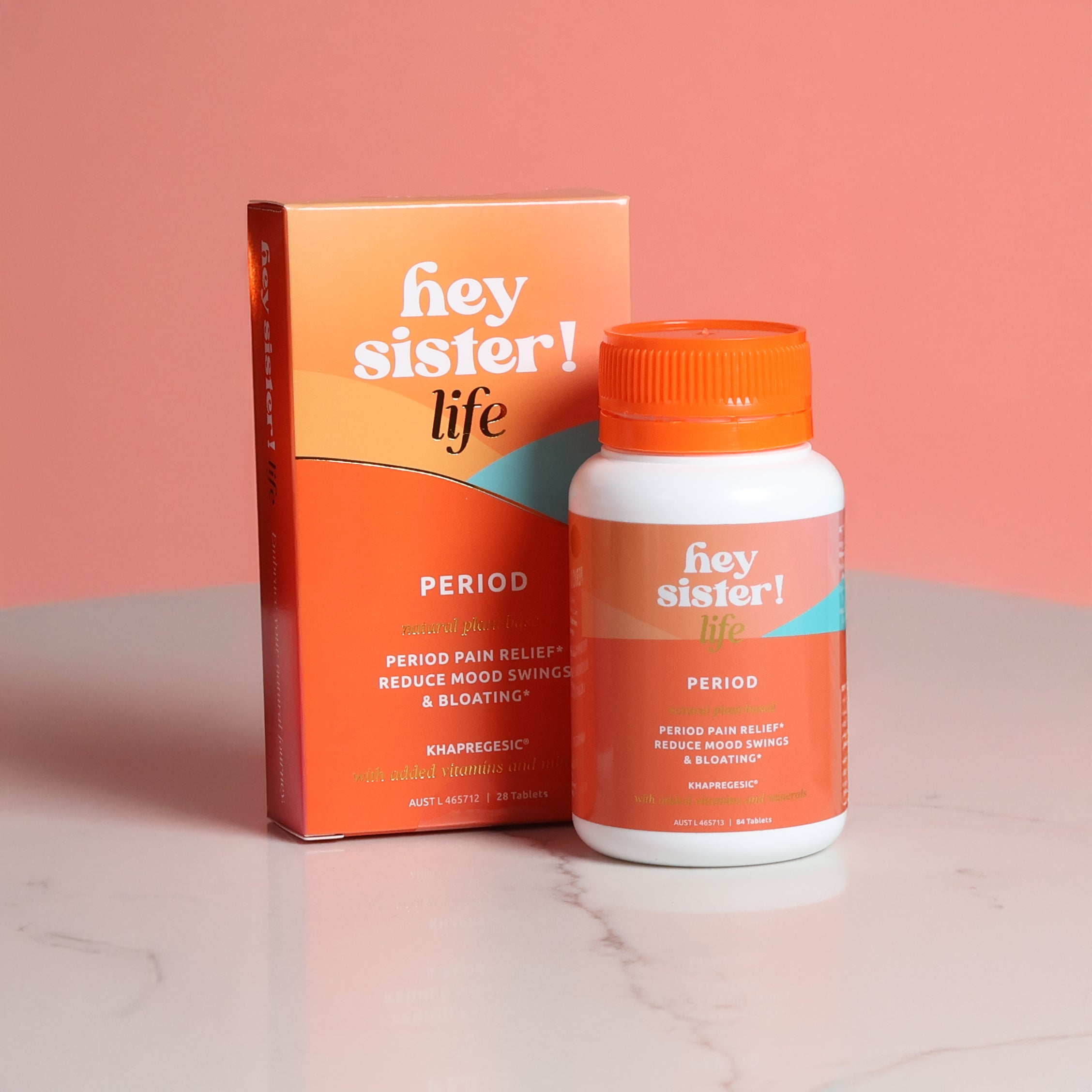
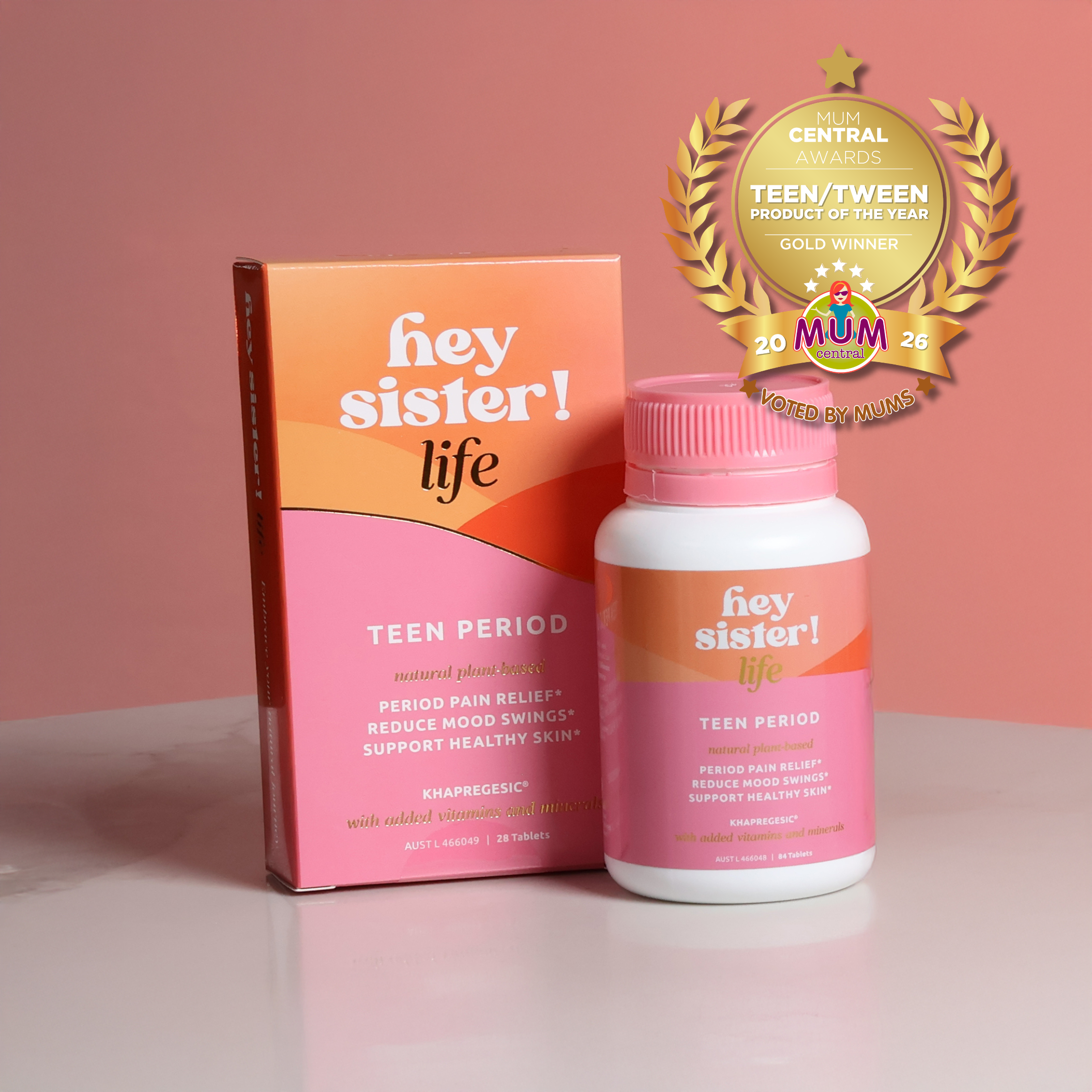
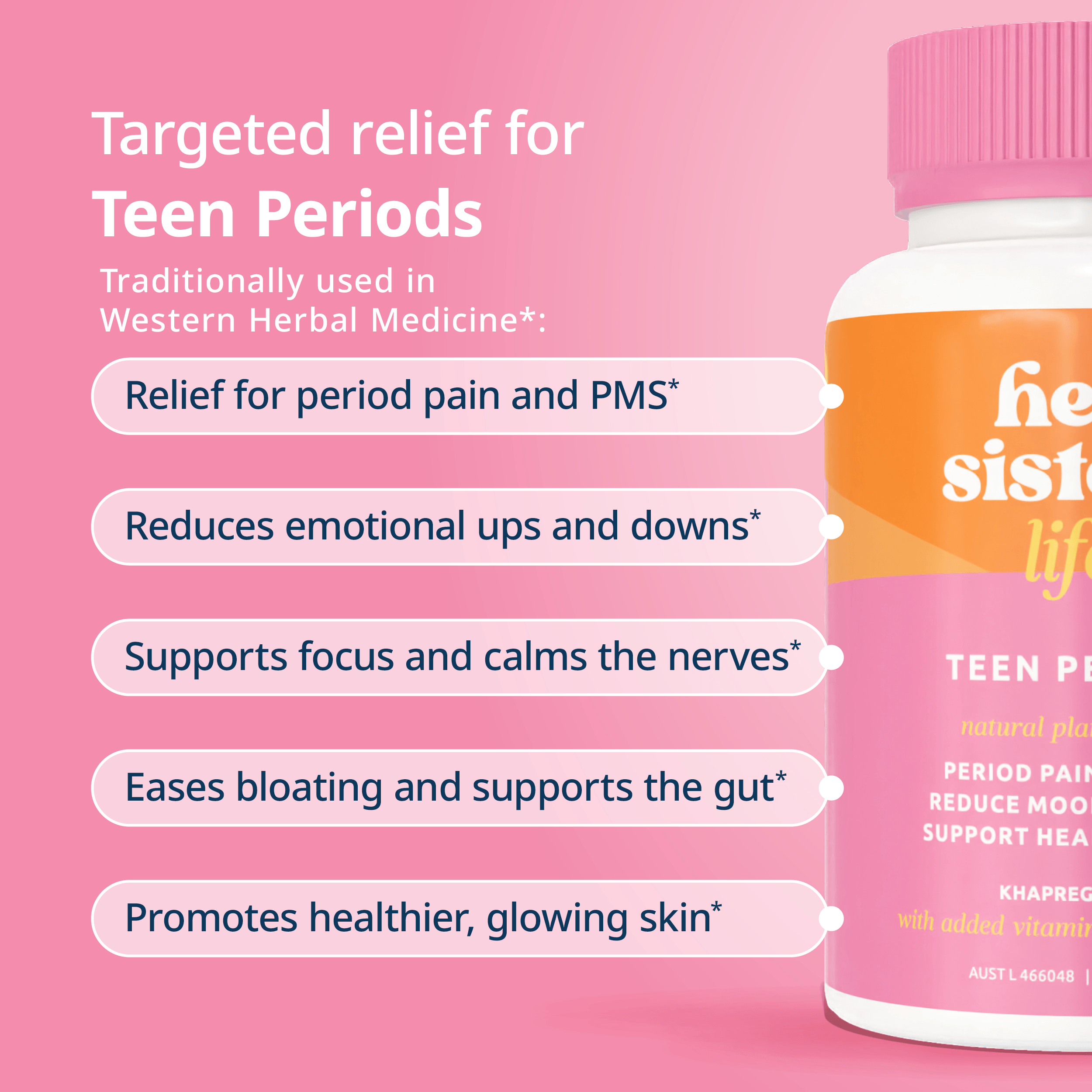
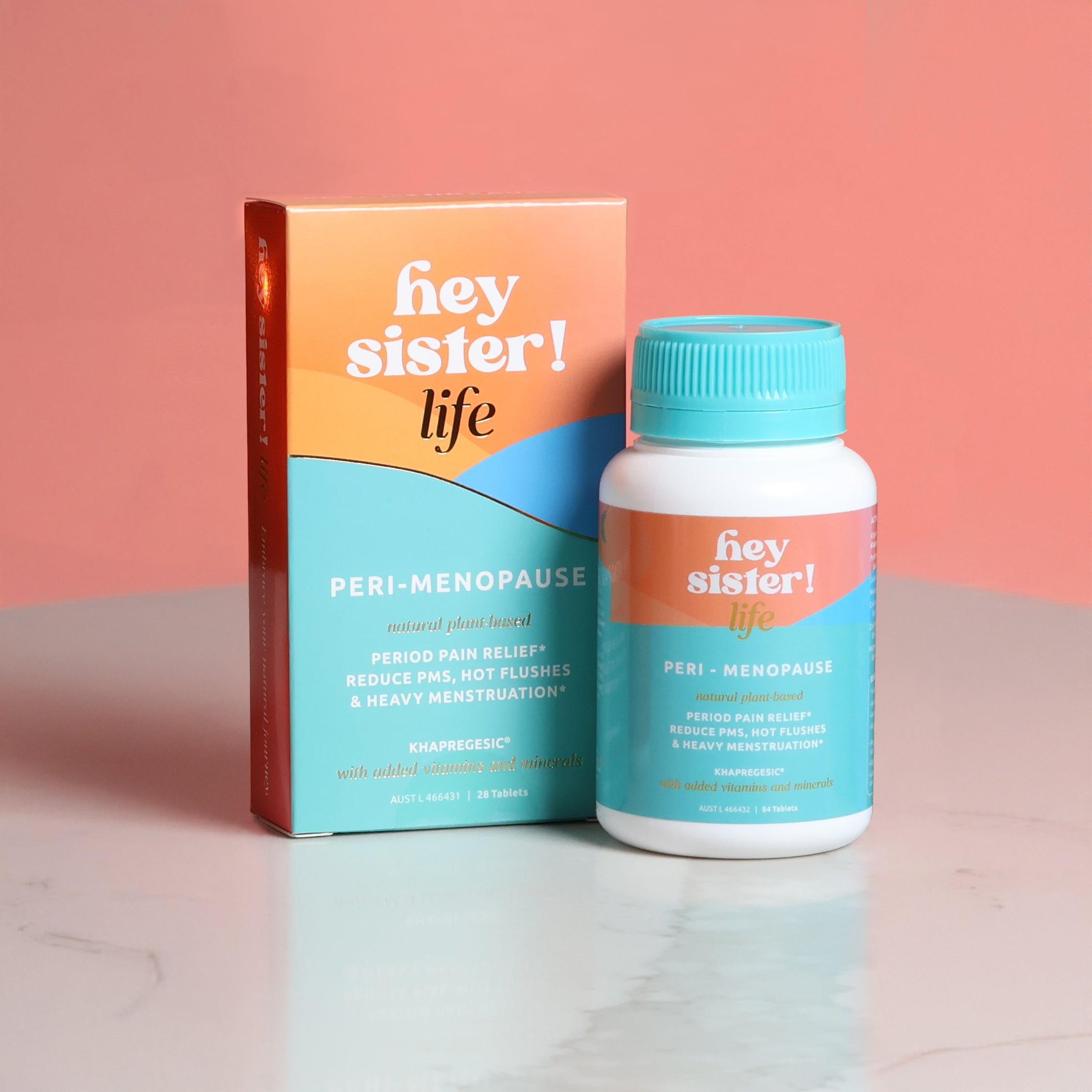
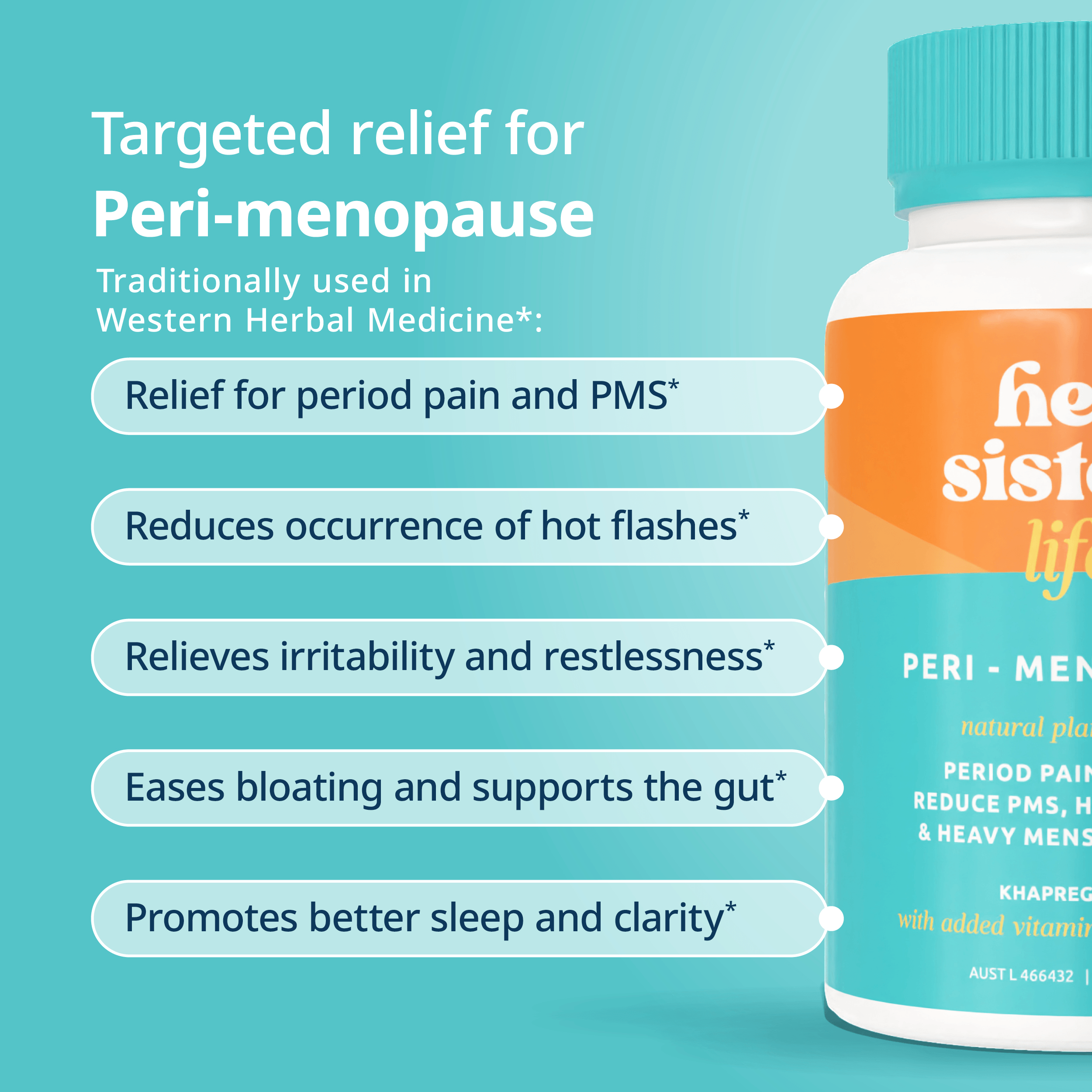
Hey Sister is best known for period support, but we take a whole-body approach because pain, hormones, digestion, mood and energy don’t live in separate boxes. They’re a messy group chat, and everyone’s always online.
The goal isn’t perfection. It’s steadier days.
A gentle “be smart” note
If you’ve got severe symptoms, ongoing pain, blood in stool, sudden changes, or anything intense or new, chat with a healthcare professional. You deserve proper support, not guesswork.⁶
If you saw yourself in one of these “personalities”, you’re not broken. You’re just overdue for support that fits real life. Start small. Start consistent. Your gut will thank you.
References
-
Gastrointestinal symptoms and the menstrual cycle (review/article). National Library of Medicine (PMC). https://pmc.ncbi.nlm.nih.gov/articles/PMC9687867/
-
Gut-brain axis and functional GI symptom mechanisms (review/article). National Library of Medicine (PMC). https://pmc.ncbi.nlm.nih.gov/articles/PMC10845093/
-
Diet, microbiome, and gut-brain axis connections (review/article). National Library of Medicine (PMC). https://pmc.ncbi.nlm.nih.gov/articles/PMC10773664/
-
Probiotics and constipation outcomes (systematic review/meta-analysis). National Library of Medicine (PMC). https://pmc.ncbi.nlm.nih.gov/articles/PMC5670282/
-
Psyllium and GI symptom improvement (clinical study/review). National Library of Medicine (PMC). https://pmc.ncbi.nlm.nih.gov/articles/PMC11022964/
-
GI symptoms in peri/postmenopause and clinical considerations (review/article). National Library of Medicine (PMC). https://pmc.ncbi.nlm.nih.gov/articles/PMC12575958/