You know the drill.
New year, new yoga mat.
Meal prep in March.
Cold plunges in winter.
Then… ghosted. 👻
But what if your health habits weren’t seasonal flings?
What if they were just who you are — even when cramps hit, energy dips, or it’s day 27 of your cycle and everything feels… meh?
At Hey Sister!, we believe the best kind of health isn’t built on guilt, pressure, or January hype. It’s built on continuity — habits that flex with your body, not fight it.
And for people who menstruate, that starts with understanding your cycle.
Why most habits don’t stick (and why it’s not your fault)
We’ve all heard the myth: “It takes 21 days to build a habit.”
The science says otherwise.
Large behaviour studies show habit formation can take anywhere from 66 days to well over 200 days, depending on the habit and the person¹. The people with “effortless” routines didn’t have more motivation — they simply stayed consistent long enough for habits to become part of their identity².
Here’s the catch:
Most habit science is based on male physiology.
That means advice like “just stay consistent” often ignores something huge, the menstrual cycle, and how it affects energy, mood, pain, motivation and enjoyment across the month.
So when habits fall apart around your period?
That’s not a willpower problem. It’s a design problem.
Your period is a built-in habit calendar
Across the menstrual cycle, hormones like oestrogen and progesterone fluctuate. These changes don’t just affect your uterus — they influence how your brain and body respond to effort, stress and reward³⁴.
Research shows that:
-
The luteal and premenstrual phases are often linked to lower mood, higher fatigue, more pain sensitivity, and reduced enjoyment of movement⁵⁶
-
The follicular phase (after your period) is commonly associated with better mood, higher motivation and more positive responses to activity⁵⁷
In simple terms:
Some weeks, habits feel easier.
Other weeks, they feel heavier.
That doesn’t mean you stop being consistent.
It means you need a smarter version of consistency.
How to build habits that stick, without fighting your cycle
1. Build identity-based habits (not all-or-nothing goals)
Instead of:
“I need to do 10,000 steps.”
Try:
“I’m someone who moves every day.”
Even if “moving” means a slow walk to the letterbox or five minutes of stretching. Repetition builds identity — and identity is what keeps habits alive during low-energy days².
2. Use high-energy phases to build momentum
When energy and motivation feel higher (often during the follicular phase), that’s a great time to:
-
Try new routines
-
Stack habits together
-
Increase intensity or structure
You’re not forcing discipline — you’re working with your biology⁵⁷.
3. Shrink the habit during PMS (don’t ghost it)
Premenstrual week? Cramps? Brain fog?
This is where habits usually disappear. Instead, shrink them.
-
30-minute workout → 5-minute stretch
-
Run → gentle walk
-
Full routine → minimum version
Research on behaviour maintenance shows that protecting the habit cue and identity matters more than intensity⁸⁹.
“I’m the kind of person who still shows up — even when it’s gentle.”
4. Lean on sisterhood (it’s science-backed)
You’re significantly more likely to stick to habits when you do them with someone else¹⁰.
That’s not just accountability, it’s shared identity.
“We’re the kind of people who walk on Mondays.”
Messy weeks allowed. Shame not invited.
Your cycle isn’t a setback, it’s feedback
Tracking your symptoms and energy over a few cycles can reveal patterns that help you plan instead of react⁵⁶.
Try this:
-
High-energy version: strength, long walks, planning, creative work
-
Low-energy version: stretching, rest, journaling, gentle self-care
Same habit. Same identity. Different intensity.
That’s not quitting.
That’s resilience.
And when your period needs extra support?
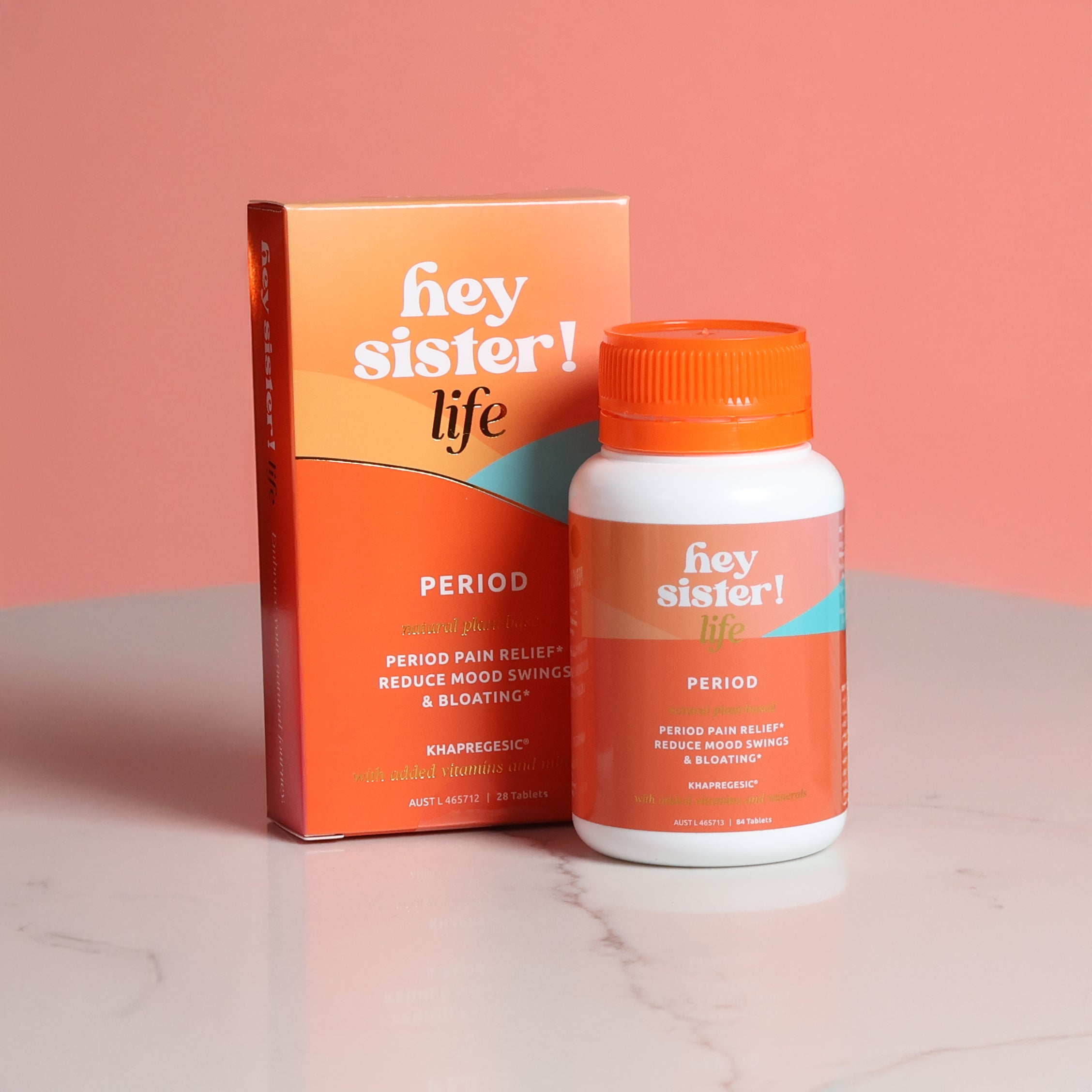
That’s where Hey Sister! comes in.
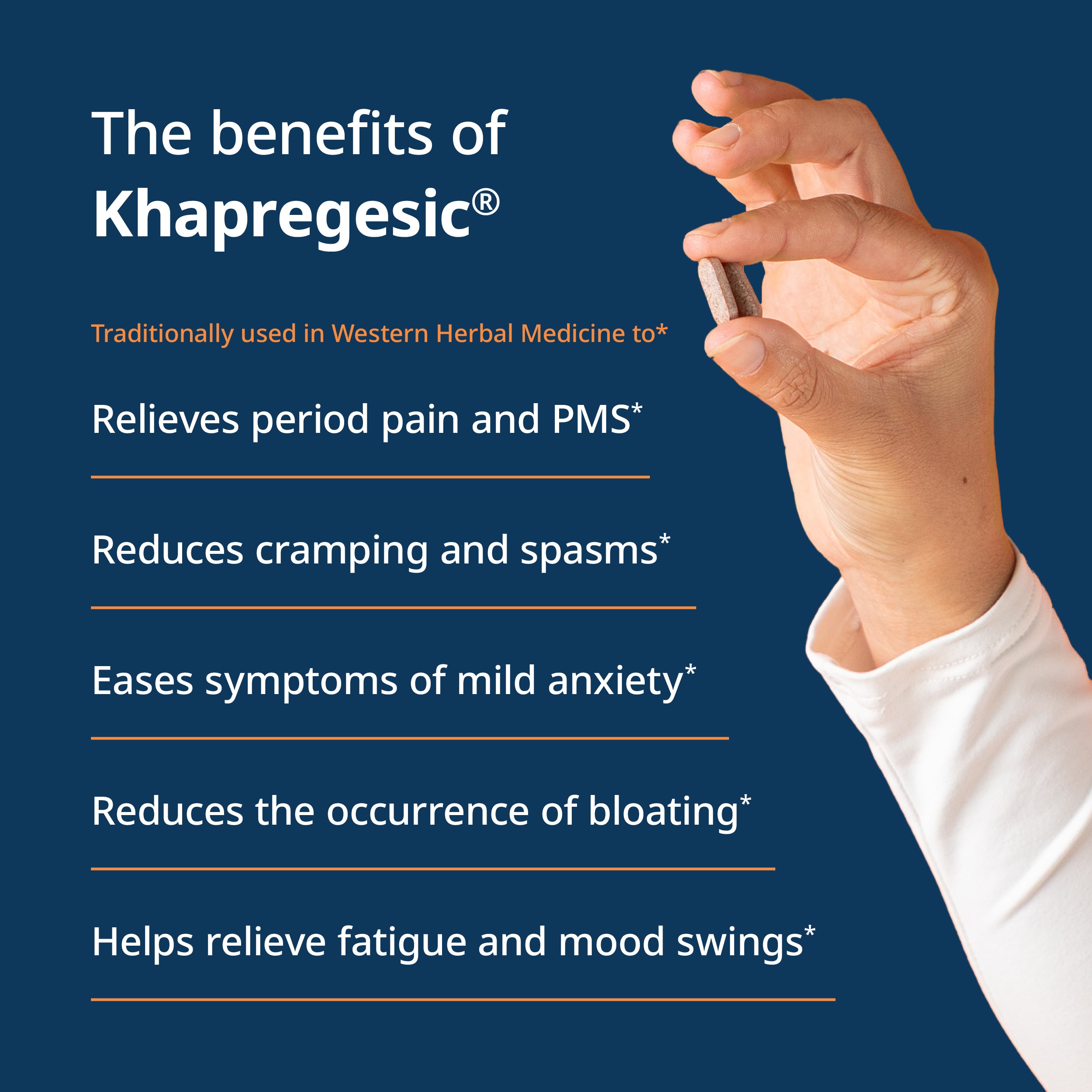
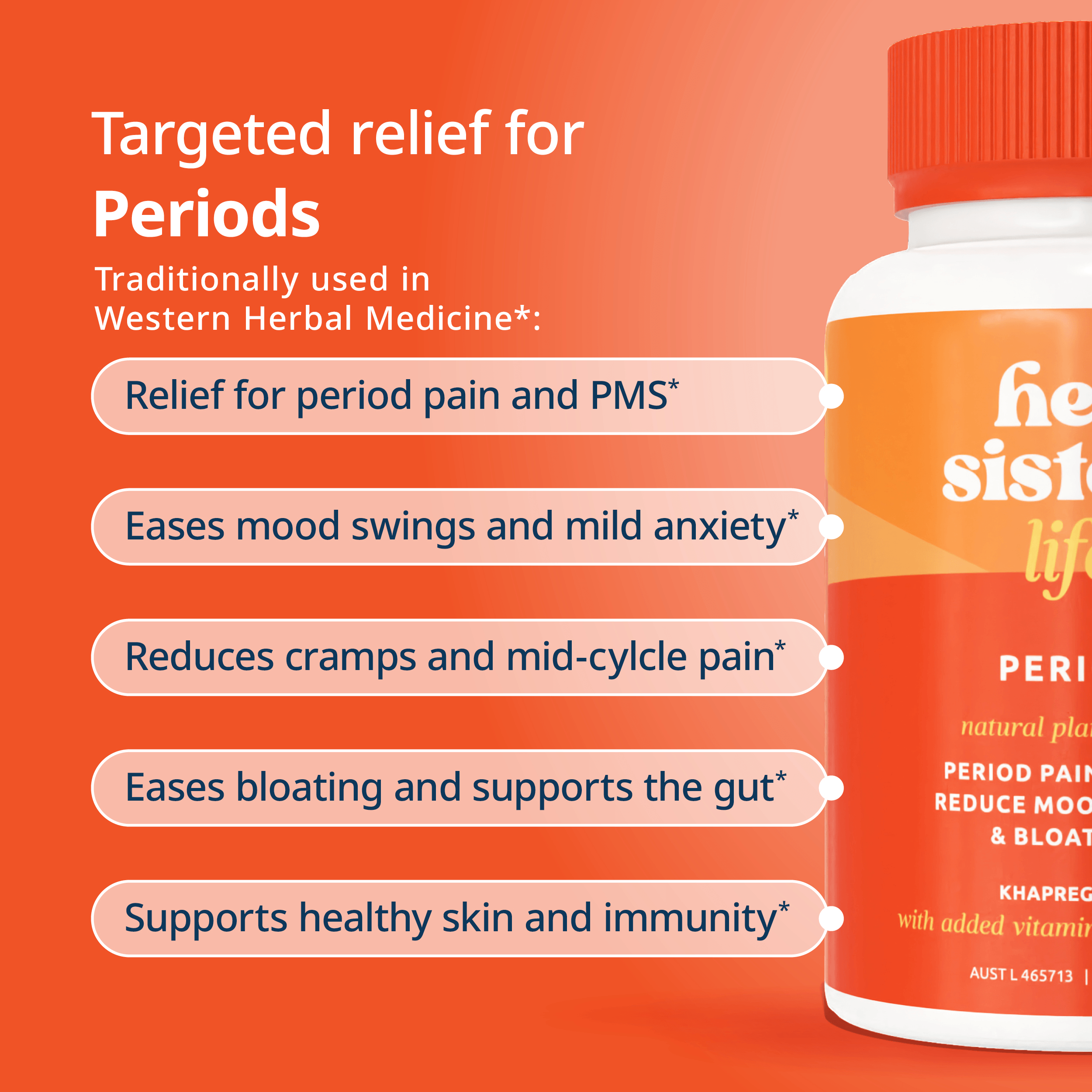
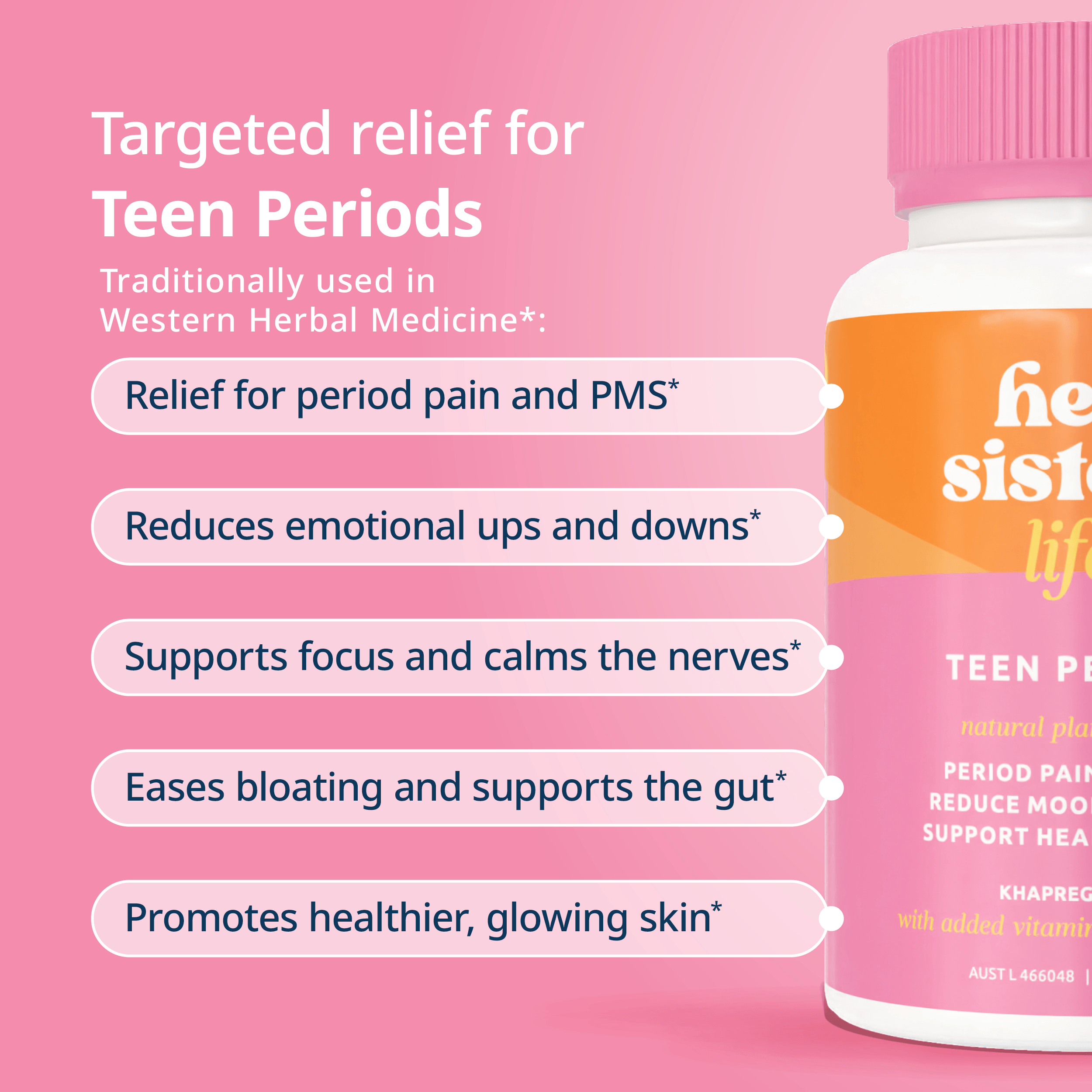
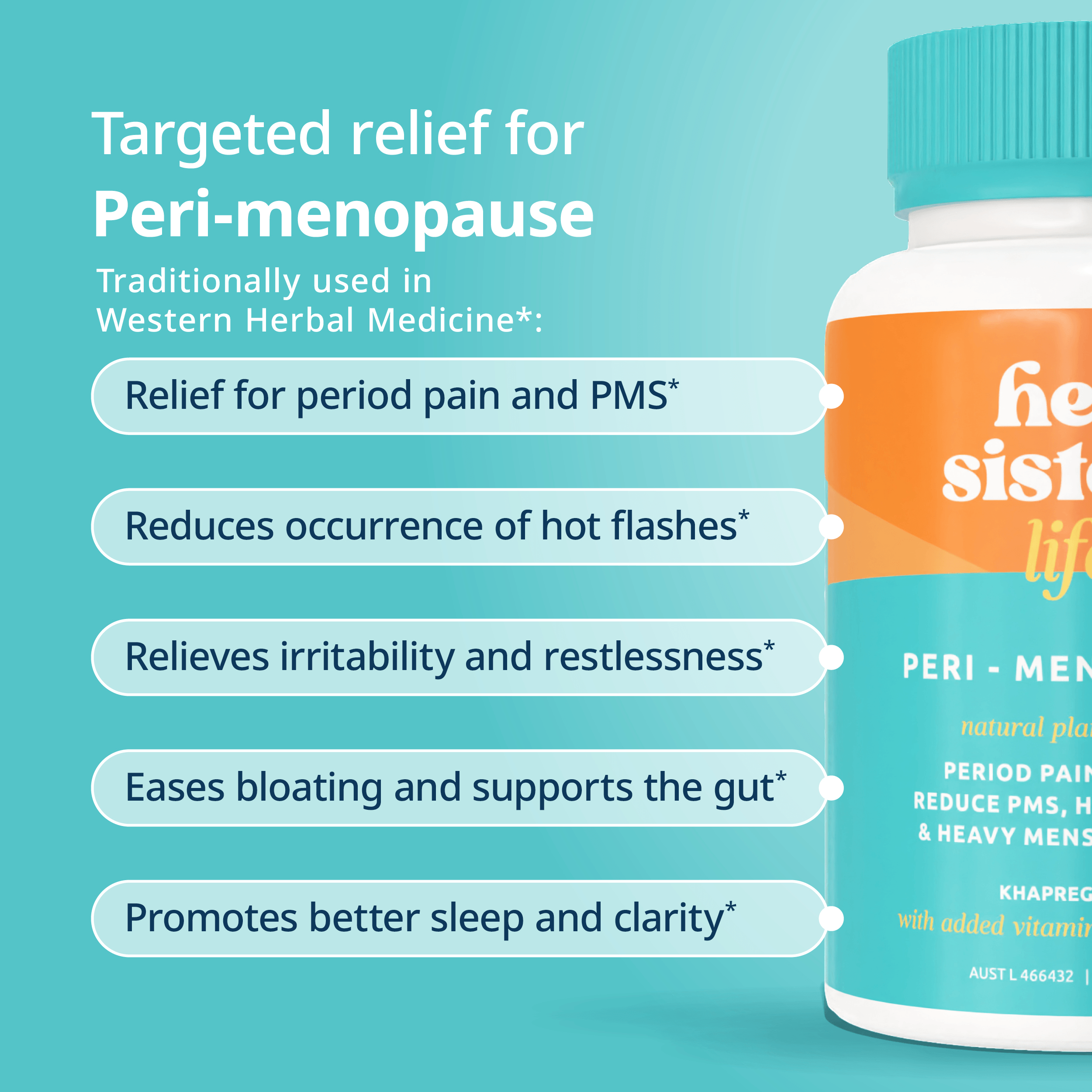
We created our 100% plant-based, drug-free solution to support:
-
Period pain
-
Mood and anxiety
-
Sleep quality
-
Gut health
So when your cycle makes things harder, you’re not pushing through alone, you’re supported, naturally.
TL;DR: You Don’t Need Another Reset. You Need a Rhythm.
-
Track your energy and symptoms
-
Build two versions of each habit
-
Shrink instead of skipping
-
Do it with your sister
-
Keep showing up even gently
Health isn’t seasonal.
It’s cyclical.
And we’re right here with you 🧡
References
-
Lally, P. et al. (2010). How are habits formed: Modelling habit formation in the real world. European Journal of Social Psychology.
-
Gardner, B. (2012). Making health habitual: the psychology of ‘habit-formation’ and general practice. British Journal of General Practice, 62(605), 664–666.
-
Kwasnicka, D., Dombrowski, S.U., White, M., & Sniehotta, F. (2016). Theoretical explanations for maintenance of behaviour change: A systematic review of behaviour change theories. Health Psychology Review, 10(3), 277–296.
-
Hidalgo-Lopez, E. et al. (2022). Hormonal modulation of brain activity across the menstrual cycle. Universitat Pompeu Fabra / 28andMe dataset–related work on whole-brain dynamics.
-
McNulty, K.L. et al. (2021). Menstrual cycle effects on exercise responses. Frontiers in Psychology, 12:525943.
-
Moreno-Pérez, V. et al. (2020). Exercise enjoyment and adherence across the menstrual cycle.
-
Moreno-Pérez, V. et al. (2020). Exercise enjoyment and adherence across the menstrual cycle.
-
Healthline Editorial Team. “How to Use Cycle Syncing to Connect with Your Body.”
-
Kwasnicka, D. et al. (2016). Theoretical explanations for maintenance of behaviour change.
-
Gardner, B. (2015). A review of habit theory and intervention. PMC4988401.
- American Society of Training and Development. Accountability and behaviour adherence.