The quick version
-
Cold flushes are a real menopause symptom: a sudden wave of cold, shivering or goosebumps in a room that has not changed temperature.
-
They are a vasomotor symptom, the same family as the hot flush, driven by the way falling oestrogen affects the brain's temperature thermostat, the hypothalamus.
-
Around 3 in 4 women experience hot flushes and night sweats around the time of menopause.¹ Most cold flushes pass within a few minutes.
-
'Feeling cold' sits on the recognised list of menopause symptoms (48 on GenM's MTick list, and more than 70 by some clinicians' count), yet it almost never gets a mention.
-
Usually harmless. Worth a GP visit if it is new, frequent or getting worse, because feeling cold can have other causes.
Is your internal thermostat acting up? Cold flushes are often one of the first surprising signs that perimenopause has entered the chat. If you're trying to figure out whether your sudden chills, mood shifts or sleep disruptions are part of a bigger pattern, use our quick tracker to get clear. 👉 Take the 2-Minute Perimenopause
You know the hot flush. It has a reputation, a hand fan and a permanent spot on every menopause list going around. So the first time a chill runs through you for no reason, in a warm room, while everyone else is fine in a t-shirt, it feels like a mistake. You reach for a jumper and quietly wonder what on earth is going on.
Here is the plot twist nobody mentions. Sometimes the change makes you suddenly, inexplicably cold. Cold flushes are real. And no, it is not just you.
Can menopause really make you feel cold?
Yes. A cold flush (or cold flash) is a sudden feeling of cold, often with shivering, trembling or goosebumps, that turns up without any change in the temperature around you. Cleveland Clinic women's health specialist Dr Holly Thacker puts it plainly: cold flushes are very much a thing for women before or during menopause.² Most episodes pass within a few minutes.
Menopause has a famous symptom problem. The recognised lists keep growing. The classic count was 34. GenM's MTick framework uses 48. In The New Menopause, US gynaecologist Dr Mary Claire Haver describes more than 70.³ Different frameworks, one shared point: this transition reaches almost every system in the body, not just the three symptoms most of us can name.
'Feeling cold' sits quietly on those lists, well down the order, rarely making the highlight reel. Which is a shame, because a cold flush can be every bit as disorienting as its famous hot cousin.
Cold flushes vs hot flushes: what is the difference?
They are two sides of the same coin. Both are vasomotor symptoms, which is the medical way of saying your blood vessels and your temperature control are having an off day.⁴ Here is how they compare:

So if you have ever felt a hot flush burn out and leave you shivering under the doona, that is not two unrelated problems. That is one thermostat, swinging.
Why menopause makes you cold: the thermostat theory
Here is the short version, minus the medical dictionary.
Deep in your brain sits the hypothalamus. Think of it as your body's thermostat. Its whole job is to keep your core temperature sitting comfortably in a narrow band, nudging you to sweat when you run hot and to shiver when you run cold.⁴
Oestrogen helps that thermostat stay steady. As oestrogen levels fall through perimenopause and menopause, the thermostat can become more sensitive and a little less precise.⁵ It starts over-correcting. Push the temperature reading one way and you get a hot flush. Push it the other, or over-cool after a hot flush has passed, and you get the chill, the goosebumps, the shiver.²
Same thermostat. Two directions. That is the surprise hiding in plain sight. Researchers still have not fully mapped every step of this circuit, but the role of the hypothalamus and falling oestrogen is well recognised.⁴
What does a cold flush feel like?
Cold flushes tend to arrive fast and leave fairly quickly. They can turn up on their own, or trail in right after a hot flush has burned itself out.² Women describe them in fairly consistent ways:
-
A sudden wave of cold in a room that has not changed temperature
-
Shivering or trembling that feels out of proportion to the weather
-
Goosebumps and pale, chilled skin
-
A strong pull to layer up, wrap up or find a hot drink
-
Turning up more at night, or right before bed, and interrupting sleep²
It shows up in ordinary moments. The middle of a warm meeting, when you are the only one reaching for a cardigan. Two in the morning, when you have kicked the covers off after a hot flush and woken up shivering a little later. Standing in the kitchen making tea, suddenly cold to the bone while the room is exactly as it was.
Worth knowing: during a cold flush your body reacts as though it is cold even though the room has not changed and your core temperature is sitting right where it should.² Stress and broken sleep can make the whole thing more likely, which is its own special irony given how little either tends to be in short supply during this stage.¹
How long do cold flushes last?
Most cold flushes are brief, usually only a few minutes.² They can be one-offs or turn up regularly, and for many women they ease as the body settles into the far side of the transition. Like most menopause symptoms, the pattern varies a lot from person to person, so your version will not look identical to your friend's.
Why does nobody talk about cold flushes?
Because the hot flush got there first. It is the symptom that made it into the sitcoms, the greeting cards and the office jokes, so it became shorthand for the whole experience. The recognised list runs to at least 48 symptoms, yet most of us can name three.³ Everything past those three tends to get filed under 'probably nothing' or 'just me'.
That gap is where women get quietly written off, and quietly write themselves off, as fussy or 'always cold', when what they are actually navigating is a normal physiological change with a very long tail. Naming the symptom is half the relief.
Are cold flushes normal? The 'oh thank god, it's not just me' bit
If you have read this far nodding, that reaction, the exhale of recognition, is the entire point. Cold flushes are common, they are part of the same temperature story as hot flushes, and reaching for a blanket while everyone else is comfortable does not mean something is wrong with you.
It means your internal thermostat is recalibrating. That is a normal part of the transition, even if nobody handed you the manual.
When to see your GP about feeling cold
Cold flushes on their own are usually harmless.⁶ Still, feeling cold can have other causes worth ruling out, and that is a conversation for a professional rather than a blog. Thyroid changes and low iron can both leave you feeling chilled, so if your cold flushes are new, frequent, getting worse, or turning up alongside anything else that has you concerned, book in with your GP and mention it.⁶ There is no prize for silently pushing through and wondering.
The bit we can help with
We cannot fix the weather your thermostat invents, and we would never claim to. What we can do is talk about all the symptoms, not just the famous few, so you feel a bit less blindsided by the ones nobody warned you about.
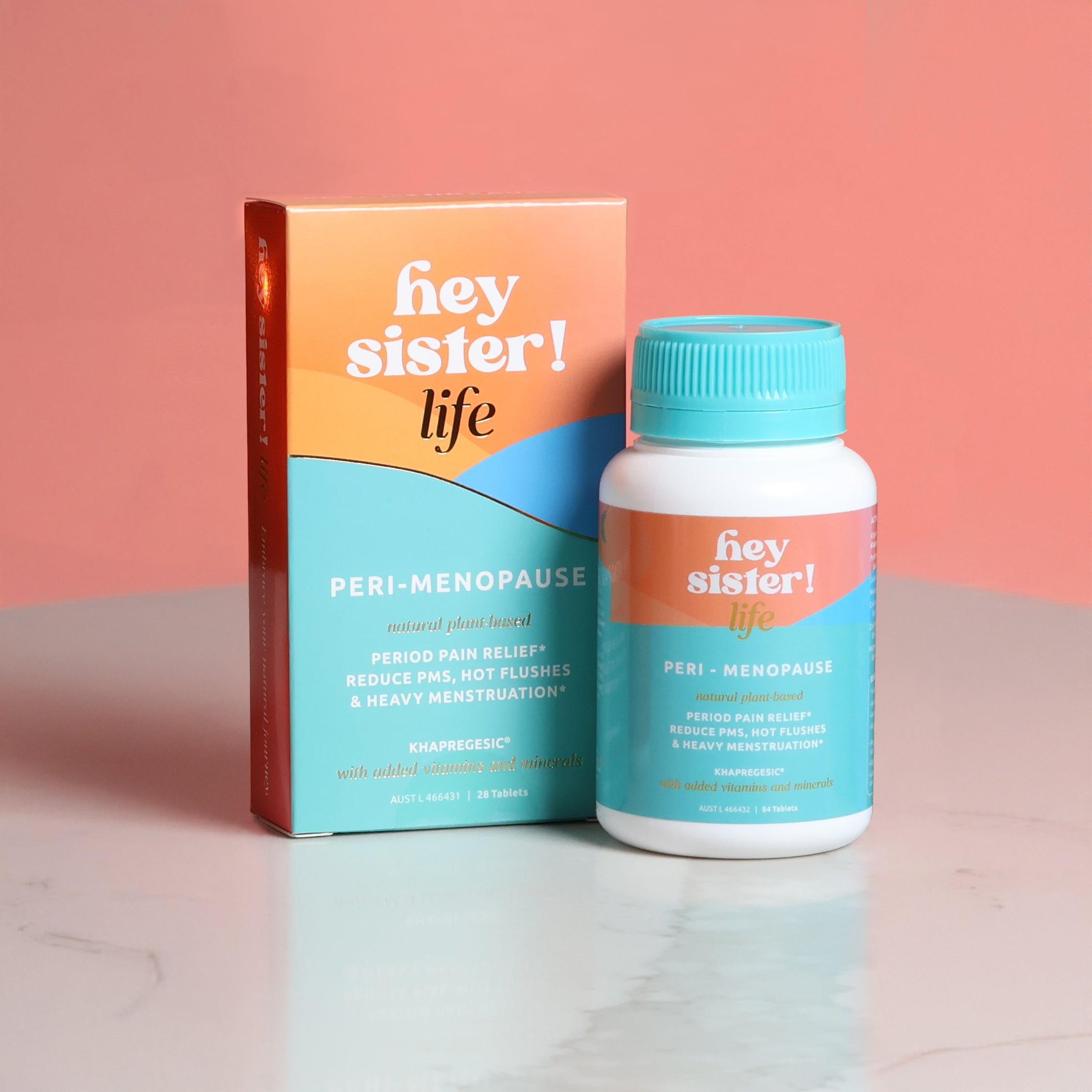
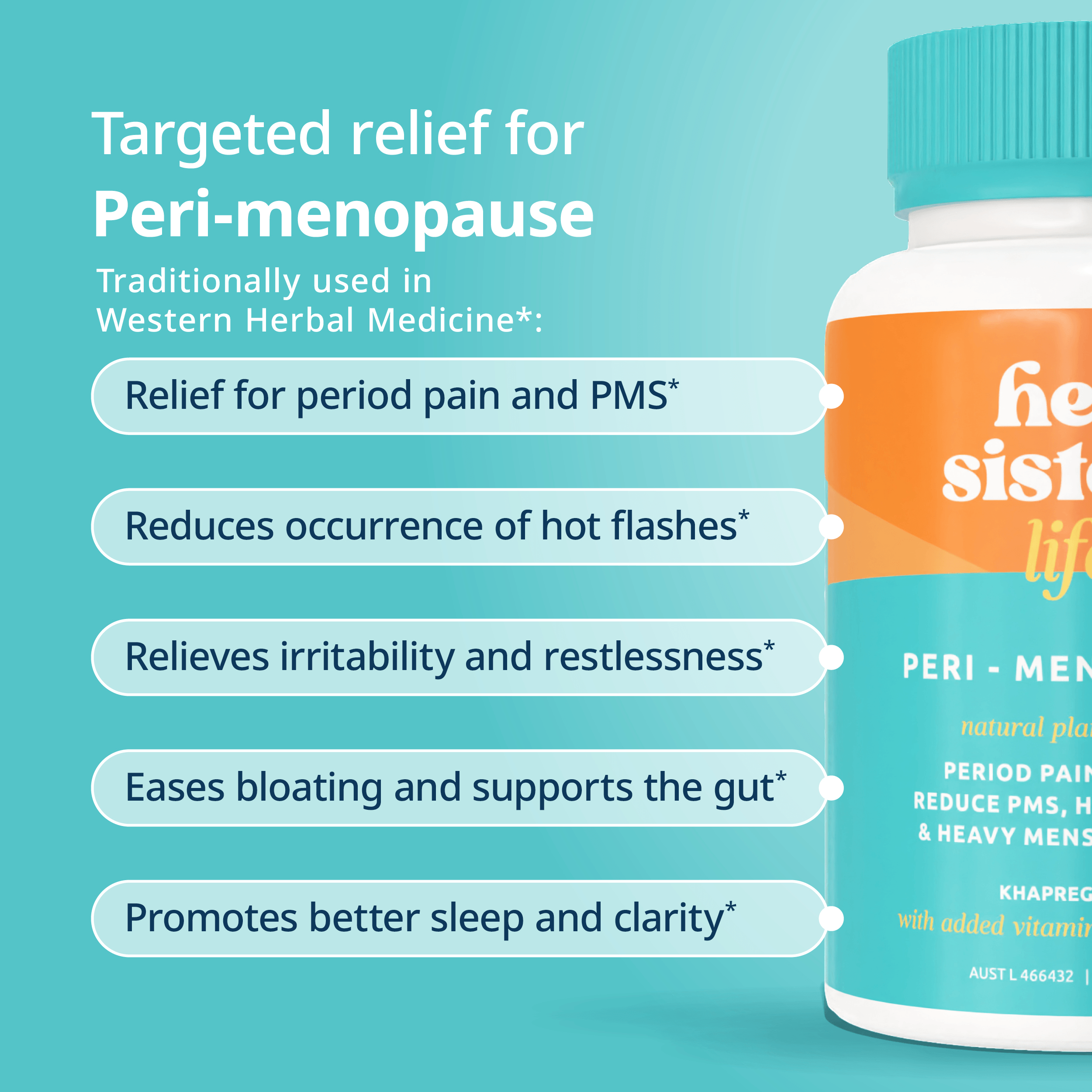
If the hot flushes and night sweats are the part of the picture wearing you down, that is where a product like LIFE Menopause may have a place in your routine. It is traditionally used in western herbal medicine to relieve hot flushes associated with menopause and help reduce the occurrence of menopausal symptoms. Whether it is right for you is a question for you and the label, and your healthcare professional if you are weighing up other health considerations.
Traditionally used in western herbal medicine to relieve hot flushes associated with menopause and help reduce occurrence of menopausal symptoms. Always read the label and use only as directed. If symptoms persist, talk to your health professional.
The short version
Yes, cold flushes are a thing. Same thermostat as the hot ones, just pointing the other way. You are not imagining it, you are not failing, and you are definitely not the only one in the room quietly reaching for a blanket.
References
- Jean Hailes for Women's Health (2026). How to manage menopausal symptoms. Around 3 in 4 women experience hot flushes and night sweats around the time of menopause; stress can worsen symptoms for some women. https://www.jeanhailes.org.au/health-topics/menopause/how-to-manage-menopausal-symptoms/
- Cleveland Clinic, Dr Holly L. Thacker (2025). Are premenopausal cold flashes a thing? Cold flushes as a real symptom of temperature instability before or during menopause, including onset at random or after a hot flush. https://health.clevelandclinic.org/premenopausal-cold-flashes-real-thing
- GenM / MTick recognised menopause symptoms (48-symptom framework): https://gen-m.com/signs/ ; Haver, M.C. (2024). The New Menopause (describes 70+ symptoms): https://thepauselife.com/pages/the-new-menopause-book . Comparison of recognised symptom counts.
- NCBI / PubMed. Understanding the pathophysiology of vasomotor symptoms in perimenopause, menopause and postmenopause. Vasomotor symptoms as temperature dysfunction; hypothalamic regulation of core body temperature. https://pubmed.ncbi.nlm.nih.gov/18074100/
- Utian, W.H. (2005). Psychosocial and socioeconomic burden of vasomotor symptoms in menopause: A comprehensive review. Health and Quality of Life Outcomes. Declining gonadal oestrogen and altered thermoregulation. https://www.ncbi.nlm.nih.gov/pmc/articles/PMC1190205/
- healthdirect (Australian Government). Hot flushes due to menopause. Most women experience some menopause symptoms; around 1 in 4 have severe symptoms warranting a doctor's care; feeling cold is worth checking with a GP. https://www.healthdirect.gov.au/hot-flushes-due-to-menopause