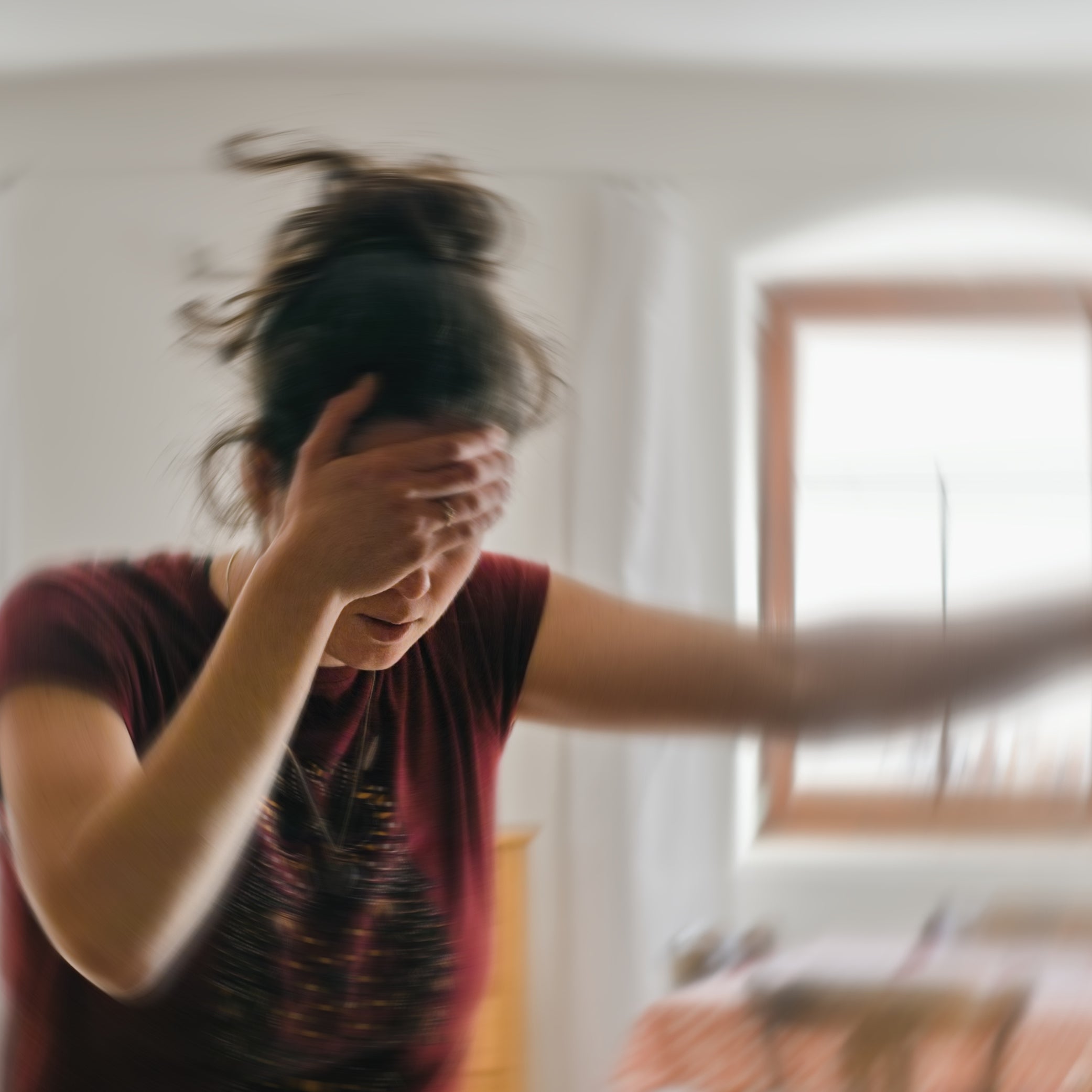
Everything is annoying. Your inbox feels louder than usual, you’ve teared up at an ad, and your patience has quietly left the group chat. And your period hasn’t even arrived yet. If that fortnight sounds familiar, you are not being dramatic and you are definitely not alone. You are describing PMS, and there is a lot more to it than cramps.
Most of us grew up able to describe a cramp in vivid detail. Far fewer of us were ever taught that the mood swings, the short fuse, the 3pm exhaustion, the brain fog and the quiet “I don’t feel like myself” are part of the same picture. So when they show up, we tend to blame ourselves rather than recognise a pattern. Let’s change that.
So, what actually is PMS?
PMS stands for premenstrual syndrome. It is the collection of physical, emotional and behavioural symptoms that can turn up in the week or two before your period, driven by the natural rise and fall of hormones across your cycle. It is common, it is normal, and it varies enormously from person to person and even from month to month.
And this bit matters. It was never “all in your head.” The emotional side of PMS is a recognised part of the experience, not a character flaw and not something you invented because you were tired. For a long time, that emotional side has been the bit women are told to laugh off, apologise for, or simply push through. You are allowed to take it seriously.
Why can we name a cramp but not a mood?
Partly because no one told us. In Share the Dignity’s Bloody Big Survey 2024 - the largest survey of its kind in Australia, with more than 150,000 responses - only 36% of respondents felt well-educated about menstruation before their first period.1 If we barely covered the basics, it is no wonder the finer print (like the mood, the sleep and the brain fog) never made it into the conversation.
So we reach adulthood fluent in “cramps” and completely unprepared for the fortnight where our patience, focus and sleep all quietly leave the building. Naming it is the first step to feeling less ambushed by it.
PMS can look like…
- Mood swings, irritability, or feeling unusually tearful or flat
- Fatigue and disrupted sleep
- Brain fog and trouble concentrating
- Food cravings and appetite changes
- Bloating, headaches and tender breasts
Not everyone experiences all of these, and that is completely normal. Your normal is still normal. What matters is learning your own pattern - what shows up for you, and when.
The bit that stings: not being believed
If you have ever felt brushed off when you tried to describe how you feel, the data is on your side. In a 2022 UK report, 56% of women surveyed said their pain had been ignored or dismissed by healthcare professionals, and nearly one in four said no one took their pain seriously, compared with one in six men.2 That habit of not-quite-being-believed teaches a lot of us to downplay symptoms before we have even finished the sentence.
A gentle reframe: you are not being dramatic. You are paying attention to your body. Noticing a pattern and wanting support for it is not weakness - it is self-knowledge, and it is the start of advocating for what you need.
What can actually help
There is no gold medal for silently pushing through, so let’s talk about support rather than endurance. Working with your body tends to beat fighting it:
- Protect your sleep where you can - it is the foundation everything else sits on.
- Nourish your body with food that genuinely satisfies you (yes, including the chocolate).
- Stay hydrated - dull advice, but it really does help the headaches and the fog.
- Move gently - a walk counts, a stretch counts, and so does a rest day.
- Track the pattern. Jot down your symptoms and where you are in your cycle for a month or two. Patterns are power.
This matters more than it sounds. Periods and the days around them genuinely disrupt real life - in one Australian survey, around 3 in 10 girls said they skip class because of painful periods.3 Making a little room for yourself in the fortnight before your period is not indulgent. It is maintenance.
It also helps enormously to say it out loud to someone who gets it. So much of PMS is made heavier by the quiet suspicion that you are the only one quietly falling apart for no reason two weeks before your period. You are not. Comparing notes with other women turns a private, slightly shameful mystery into a normal, manageable pattern, and that on its own can take some of the edge off.
Come and find your people (The Angry Uterus Club)
If you would like somewhere to actually compare those notes, we have just the spot. The Angry Uterus Club is our Facebook community, hosted by Umi, our (surprisingly cheerful) uterus mascot, where all your sisters can come together to share experiences, thoughts and advice, have a proper vent about PMS and periods, ask the questions you have been too shy to ask anywhere else, and get the support you actually need.
All topics and all kinds of uterus owners are welcome. It is a genuine safe space, with a few simple guidelines so everyone feels comfortable being honest, and you might just make a few real friends along the way. Come and say hi.
Knowing your normal - and when to check in
Learning your pattern can make things feel a lot less unpredictable, because it helps you spot when something is off. If your symptoms are severe, getting worse, or making everyday life genuinely hard most months, that is worth a conversation with your GP or another healthcare professional. Take your notes with you - they can help you explain clearly what has been happening, and make the conversation easier.
You do not need to have all the answers today. Start by noticing what your body is telling you. Save this for your next luteal phase, send it to the sister who always says, “wait… that’s PMS?”, and come and find the rest of us in The Angry Uterus Club.
FAQs
What is PMS?
Premenstrual syndrome is a mix of physical, emotional and behavioural symptoms that can appear in the week or two before your period, linked to the natural hormonal changes across your cycle.
Is PMS the same as period pain?
Not quite. Period pain (cramping) usually arrives with your period, while PMS symptoms tend to show up beforehand and can be emotional as well as physical. Many people experience both.
Is PMS really “all in my head”?
No. The emotional symptoms of PMS are a recognised part of the experience, not something you are imagining.
How long before my period does PMS start?
It varies, but symptoms often appear in the one to two weeks before bleeding and ease once your period begins. Tracking helps you learn your own timing.
What can help with PMS?
Prioritising sleep, nourishing food, hydration, gentle movement and tracking your pattern can all help.
When should I see a doctor about PMS?
If your symptoms are severe, worsening, or interfering with your daily life, it is worth speaking with your GP - ideally with a cycle or two of notes to show them.
What is PMDD?
Premenstrual dysphoric disorder, or PMDD, involves severe premenstrual symptoms that can significantly affect mood and daily life. If you think this may reflect your experience, speak with your GP or another qualified healthcare professional for personalised advice and support.
Where can I talk to others about PMS?
Come and join The Angry Uterus Club, our Facebook community led by Umi, our uterus mascot. It is a safe space to share experiences, vent about PMS and periods, ask questions and get support from other uterus owners. All topics and all kinds of members are welcome.
References
- Share the Dignity, Bloody Big Survey 2024 (153,620 respondents). https://www.sharethedignity.org.au/end-period-poverty/bloody-big-survey-2024
- Gender Pain Gap Index Report, Nurofen / Wellbeing of Women, 2022. https://www.wellbeingofwomen.org.uk/news/over-half-of-uk-women-feel-their-pain-is-ignored-or-dismissed-new-report-shows/
- “3 out of 10 girls skip class because of painful periods…” The Conversation, reporting an Australian survey of 4,202 women. https://theconversation.com/3-out-of-10-girls-skip-class-because-of-painful-periods-and-most-wont-talk-to-their-teacher-about-it-150286