Your body has been talking.
Most of us were simply never taught how to listen.
Not all wisdom comes from textbooks. Sometimes it shows up as a tight chest before burnout. A deep, bone-level tiredness that doesn’t lift after sleep. A menstrual cycle that suddenly feels heavier, more painful, or simply different than it used to.
These signals aren’t random.
They’re information.
Yet many women grow up disconnected from the language of their own bodies.
For those navigating periods, hormonal shifts, perimenopause, menopause, chronic pain, or long-term fatigue, learning to listen to the body isn’t always intuitive. It’s a skill, one that’s often disrupted by dismissal, minimisation, and being told “it’s nothing”.
This International Women’s Day season, we’re reclaiming a quieter kind of power:
Body literacy, and the confidence to trust what your body is telling you.
Why listening to your body matters for women’s health
Listening to your body means recognising patterns in energy, mood, pain, sleep, and hormonal changes, and treating those signals as meaningful information about your health.
Research shows that people with higher health literacy and body awareness are more likely to seek help earlier, make informed health decisions, and experience better health outcomes¹⁹. For women navigating menstrual cycles, hormonal fluctuations, and life stages like perimenopause or menopause, this awareness can be especially important.
Body literacy helps turn everyday sensations into insight.
Instead of ignoring signals, it allows you to notice when something shifts.
And that awareness is often the first step toward better support and care.
What is body literacy?
Body literacy is the ability to understand and interpret the signals your body sends over time.
It’s not about intuition versus science.
It’s about recognising what’s normal for your body, and noticing when something changes¹⁷.
Research shows that body awareness and health literacy are associated with:
-
earlier help-seeking
-
improved health behaviours
-
greater confidence in healthcare conversations
-
better long-term wellbeing¹⁹
Body literacy can involve noticing things like:
-
Energy dips or prolonged fatigue
-
Pain patterns during the menstrual cycle
-
Changes in sleep, digestion, mood, or bleeding
-
Physical signs of stress or emotional overload
None of this is overthinking.
It’s information your body is trying to give you.
Why so many women stop trusting their bodies
Many women don’t ignore their bodies because they want to.
They do it because they’ve learned not to trust themselves.
Research consistently shows that women’s symptoms are more likely to be minimised, psychologised, or dismissed, particularly when symptoms are complex, invisible, or fluctuate²⁶¹⁰.
Over time, this experience can erode confidence, not just in the healthcare system, but in your own perception of what’s happening in your body.
If you’ve ever been told:
-
“That’s just stress.”
-
“Everyone feels like that.”
-
“You’re probably just tired.”
…and later realised something deeper was happening, you’re not imagining that experience.
Research confirms it’s common²⁶.
When dismissal happens repeatedly, many women stop raising concerns, or start doubting their own signals.
Rebuilding that trust takes time.
But it is possible.
Listening to your body doesn’t mean ignoring science
There’s a myth that listening to your body means rejecting medical advice.
In reality, research suggests the opposite.
People often turn to body awareness when systems fail to listen or provide adequate answers¹⁰.
Body literacy doesn’t replace medicine.
It complements it.
It allows lived experience to sit alongside clinical knowledge, not beneath it.
Some researchers describe this awareness as a form of “lay expertise”, where individuals develop deep knowledge of their own bodies when formal healthcare systems feel inaccessible or dismissive¹⁰.
That’s not anti-science.
It’s adaptive.
When “pushing through” becomes harmful
Many women are praised for endurance.
For pushing through pain.
For ignoring fatigue.
For continuing even when their bodies are exhausted.
But endurance without awareness can come at a cost.
Ignoring early signals can lead to:
-
deeper fatigue
-
longer recovery times
-
emotional burnout
-
loss of trust in your own body
Australian and international research increasingly recognises fatigue, pain, and bodily distress as signals, not failures of resilience¹³¹⁹.
Your body isn’t trying to sabotage you.
It may simply be trying to get your attention.
Signs your body might be asking for attention
Sometimes body signals are subtle. Other times they become persistent enough that they’re difficult to ignore.
Common signs your body may be asking for rest or support include:
-
Ongoing fatigue even after sleep
-
Increased irritability or emotional sensitivity
-
Digestive discomfort or bloating
-
Headaches or muscle tension
-
Sleep disturbances or frequent waking
-
Changes in menstrual flow or pain levels
-
Feeling overwhelmed by tasks that usually feel manageable
These signs don’t automatically mean something is wrong.
But when patterns repeat, they’re worth paying attention to.
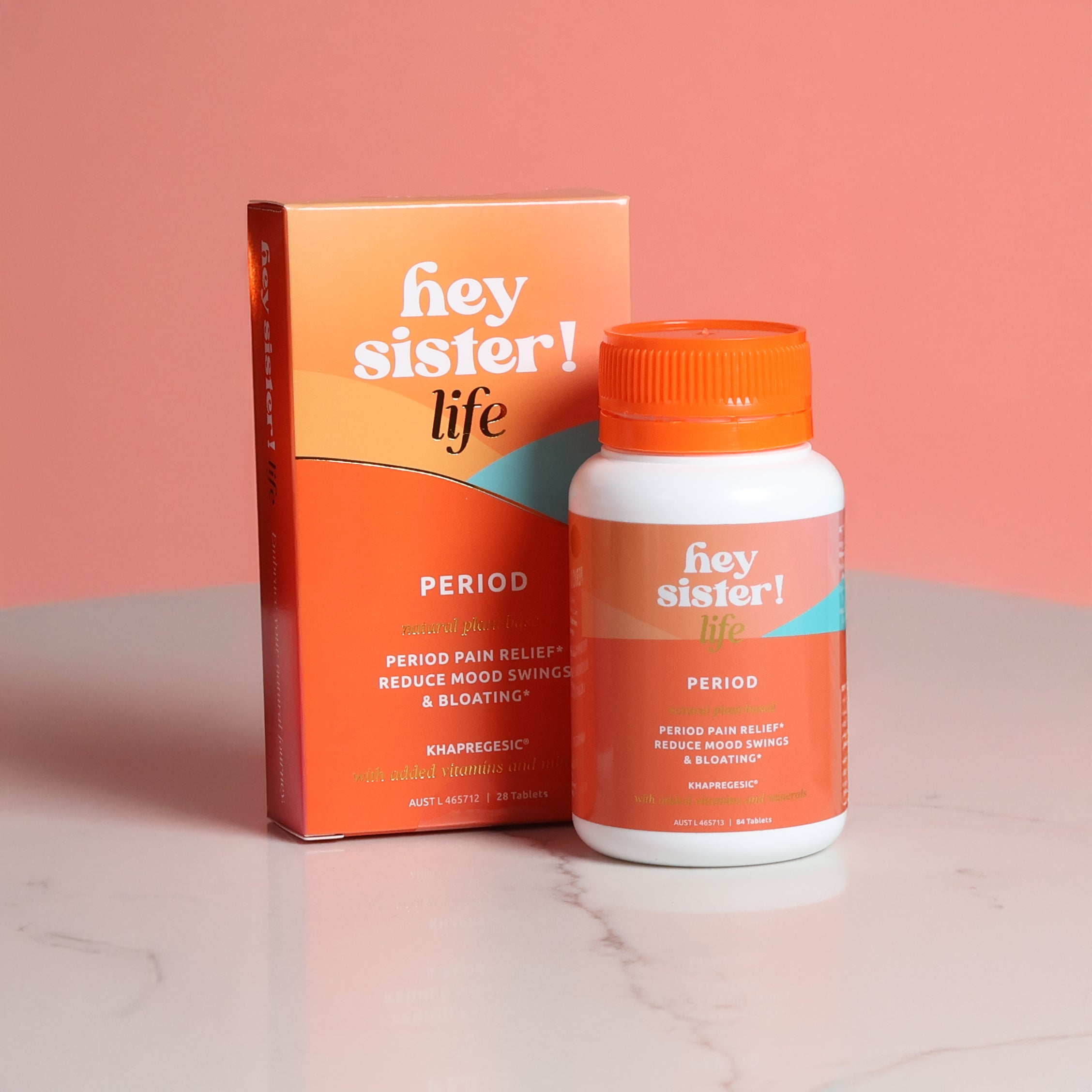
For women experiencing recurring menstrual discomfort, fatigue, or hormonal shifts, some choose gentle plant-based support such as Hey Sister!’s Khapregesic®, designed to work alongside broader self-care and healthcare support.
Body literacy is the practice of recognising these patterns before the body has to speak louder.
How your menstrual cycle can influence body signals
Understanding the phases of the menstrual cycle can help explain why energy, mood, and pain sensitivity change throughout the month.
For many women, body signals follow patterns across the menstrual cycle. Recognising these patterns is an important part of developing body literacy.
Hormonal fluctuations influence energy levels, mood, sleep, digestion, and pain sensitivity.
While every body is different, many people notice common patterns across the cycle.
Menstrual phase (during your period)
During menstruation, hormone levels are at their lowest. Many people experience:
-
Lower energy
-
Increased need for rest
-
Heightened pain sensitivity
-
Cramps or digestive changes
Listening to your body during this phase may mean slowing down and prioritising recovery.
Follicular phase (after your period)
As oestrogen begins to rise, many people notice:
-
Increased energy
-
Clearer thinking
-
Improved mood
-
Greater motivation
This phase often feels like a natural reset after menstruation.
Ovulation phase
Around ovulation, hormone levels peak. Some people report:
-
higher confidence or sociability
-
increased physical energy
-
improved mood
Others may notice mild pelvic discomfort or mid-cycle pain.
Luteal phase (before your period)
Progesterone rises during the luteal phase, which can influence:
-
fatigue
-
irritability or mood changes
-
bloating
-
sleep disruption
-
increased sensitivity to stress
Recognising these patterns can help you better understand your body’s rhythms and support yourself more effectively throughout the cycle.
If symptoms like fatigue, cramping, or irritability become disruptive, some women choose to support their cycle with plant-based options like Hey Sister!’s Khapregesic®, designed to work alongside broader self-care and healthcare support.
A simple 30-second body check-in
One of the easiest ways to start building body literacy is through a quick daily check-in.
You don’t need an app, tracker, or complicated routine.
Try this simple exercise:
Step 1 – Pause
Take one slow breath and briefly step out of whatever you’re doing.
Step 2 – Scan your body
Notice areas of tension, fatigue, discomfort, or ease.
Step 3 – Ask one question
“What does my body need right now?”
The answer might be rest, movement, water, food, or simply a few minutes to breathe.
Practising this small check-in regularly can help strengthen awareness of patterns over time.
And patterns are the foundation of body literacy.
Rebuilding trust after dismissal
Learning to listen to your body again can feel unfamiliar, especially after years of being told your symptoms are “normal” or “nothing”.
Body literacy isn’t about reacting to every sensation.
It’s about recognising patterns.
Questions that help rebuild awareness include:
-
What signals appear repeatedly?
-
What worsens with stress or overexertion?
-
What improves with rest, boundaries, or support?
Experts in body literacy and physical literacy describe this process as learning your personal baseline, and noticing when you drift away from it⁷⁴.
Once you know your baseline, change becomes easier to recognise.
And recognition builds confidence.
Confidence builds agency.
Where hey sister! fits in
Hey Sister! exists to support women through life stages that are often misunderstood or under-supported.
From painful periods to hormonal shifts, perimenopause, and menopause, our approach focuses on supporting the body rather than pushing it beyond its limits.
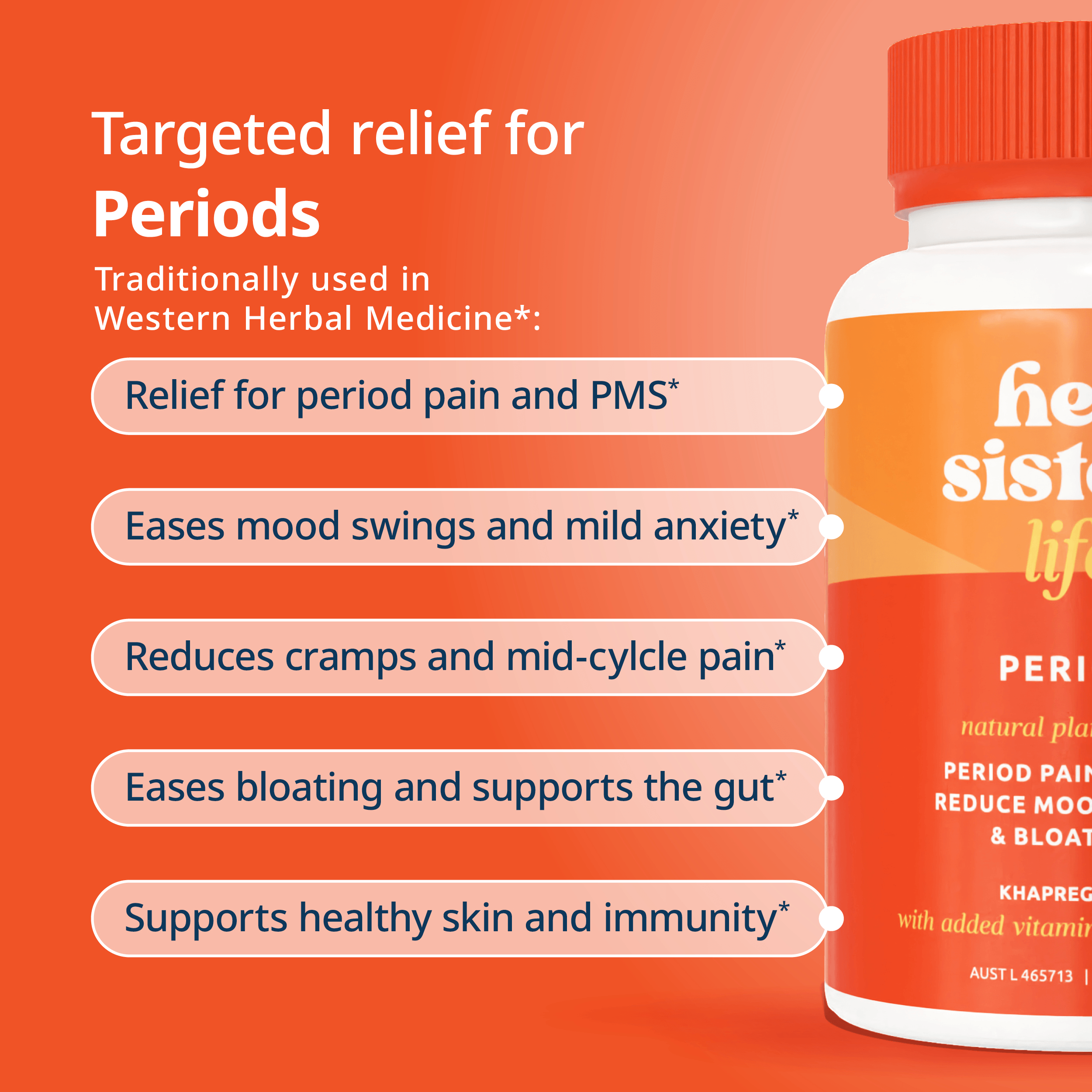
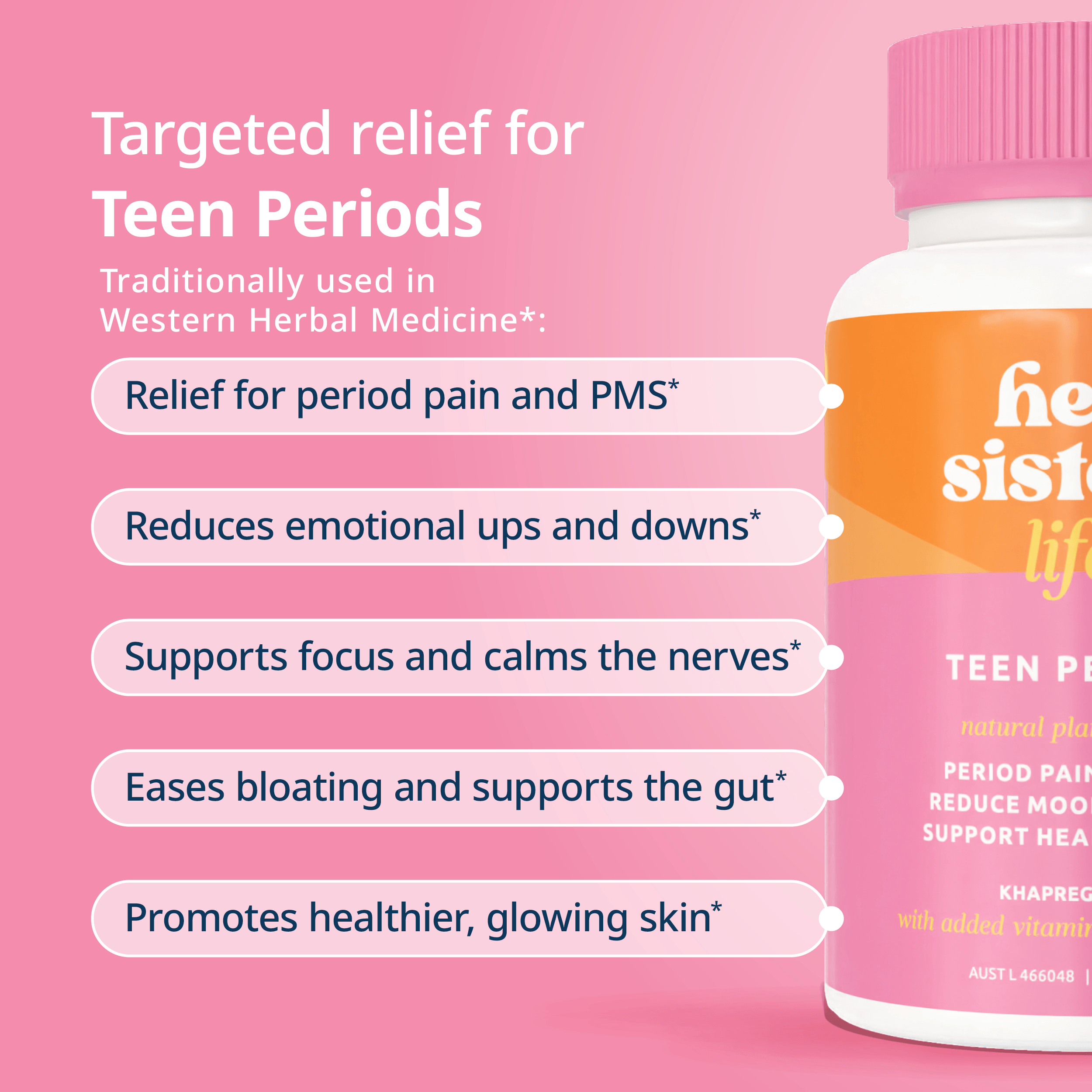
Our plant-based formulations are traditionally used to support:
-
menstrual comfort
-
hormonal balance across the cycle
-
energy levels
-
general wellbeing
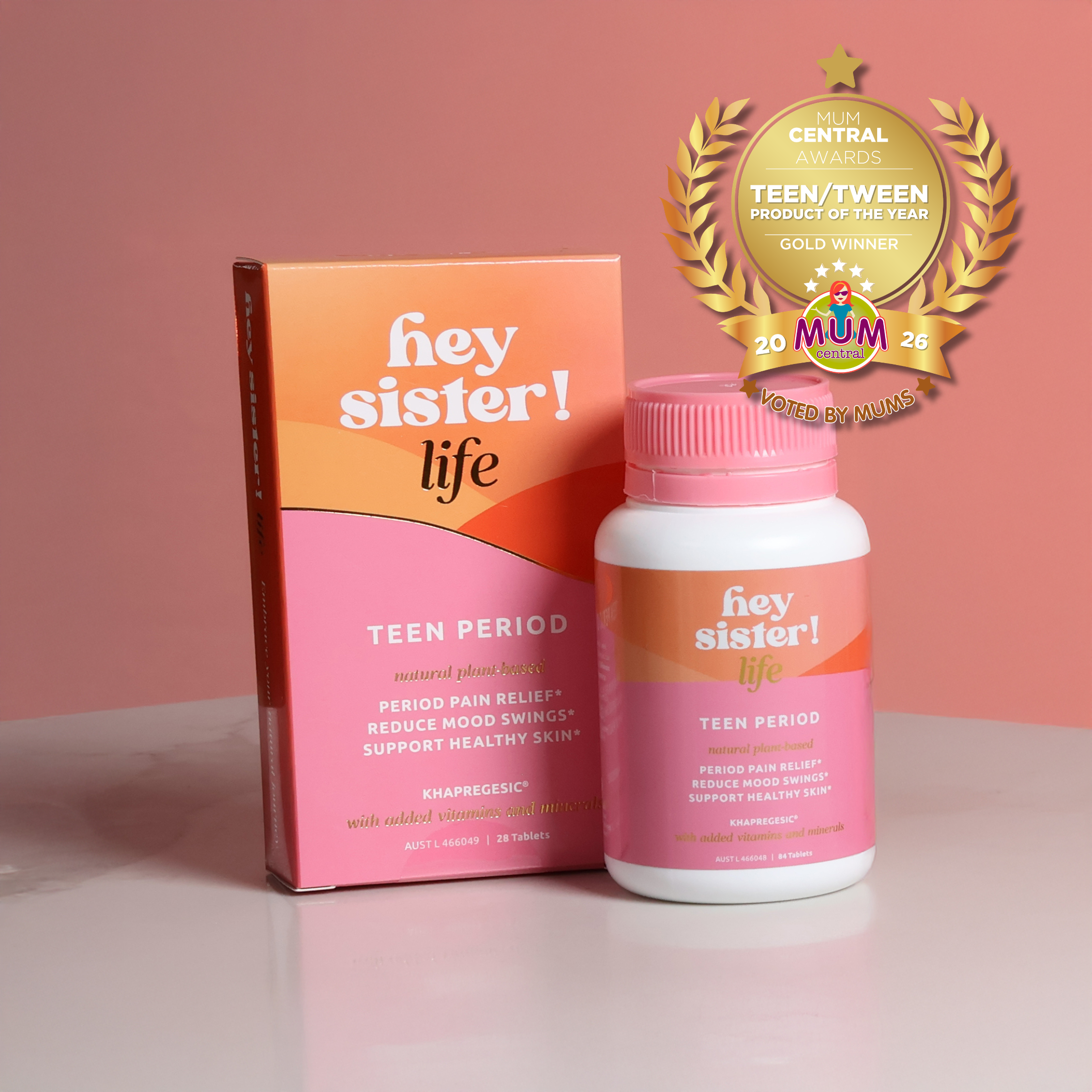
Many women exploring natural support for period pain and hormonal symptoms begin with supportive herbal options like Khapregesic®, designed to work alongside your broader self-care practices and healthcare support
Let’s talk, not fix
This isn’t about diagnosing yourself.
It’s about creating space for awareness.
If this resonates, you might try:
-
journalling one body signal you’ve been ignoring
-
sharing this article with someone who needs permission to rest
-
starting a conversation about body awareness
Developing body literacy takes time, but learning to listen to your body can become one of the most powerful tools for supporting long-term physical and hormonal wellbeing.
Your body has been talking.
You’re allowed to listen. 🧡
FAQs
What does listening to your body mean?
Listening to your body means noticing patterns in energy, pain, mood, digestion, and recovery, and recognising these signals as meaningful information about your health.
Is body literacy backed by research?
Yes. Research links health literacy and body awareness with improved health behaviours, earlier help-seeking, and better long-term health outcomes¹⁹¹⁷.
Why do many women struggle to trust their bodies?
Studies show women’s symptoms are more likely to be dismissed or minimised, particularly when symptoms fluctuate or are difficult to measure²⁶.
Does listening to your body replace medical care?
No. Body literacy complements medical care by combining personal awareness with clinical knowledge¹⁰.
References
Kesic MG et al. Int J Environ Res Public Health (2022)
https://pmc.ncbi.nlm.nih.gov/articles/PMC9406589/
Good Vibes Clinic (Australia) – Listening to your body
https://www.goodvibesclinic.com.au/blog/2024/8/25/the-case-for-listening-to-your-body
Cairney J et al. Sports Medicine (2025)
https://pmc.ncbi.nlm.nih.gov/articles/PMC12021745/
Thrive Revolution – Body literacy & performance
https://www.thriverevolution.co.uk/blog/improve-body-literacy
PMC – Health literacy outcomes
https://pmc.ncbi.nlm.nih.gov/articles/PMC12127456/
Versteeg W et al. Health (London) (2018)
https://journals.sagepub.com/doi/10.1177/1363459317695632
Fleming A. Body Literacy (2022)
https://openresearch.ocadu.ca/id/eprint/3768/1/Fleming_Angie_2022_MDes_SFI_MRP.pdf
MakeSpace Counselling (Australia)
https://makespacecounselling.com/resources/resourcelist
Gonçalves-Fernández ML et al. Aten Primaria (2025)
https://www.sciencedirect.com/science/article/pii/S0212656725000861
PMC – Lay expertise & body listening
https://pmc.ncbi.nlm.nih.gov/articles/PMC6066859/