You know that moment your period’s due and you start preparing like it’s a minor emergency? Snacks appear. Plans get “moved”. You start eyeing your heating pack like it’s a trusted colleague.
Here’s the truth that saves sanity: your cycle doesn’t start on Day 1. Your body’s already shifting gears in the lead-up, which is why waiting until you’re uncomfortable can feel like turning up late with a sad little paper cup of water.
So let’s talk about a smarter, calmer approach: starting your support routine 3 days before your expected period, so you’re not spending Day 1 folded in half like a sad prawn.
If this is you, you’re not dramatic. You’re informed.
Period discomfort is common, but “common” is not the same as “fine”. Australian women’s health resources acknowledge that period pain can be intense and disruptive, even when there’s no underlying condition.¹²
And the hardest part is often the emotional side of it:
-
pushing through work while your body is screaming
-
acting “normal” when you want to lie down
-
wondering if you should be coping better
You don’t need to cope better. You need a plan that supports you before everything hits at once.
What’s actually happening in your body
Most standard period pain (primary dysmenorrhoea) is linked to prostaglandins. These are natural chemicals involved in the process of your uterus shedding its lining.³
The gist:
-
Prostaglandins can make the uterus tighten
-
Tightening can feel like cramps
-
And for some women, that discomfort comes with back pain, nausea, bowel changes, or fatigue¹²
It’s not “in your head”. It’s a real physiological process. And yes, it can still be managed in a way that feels like you’re in charge, not at war with your body.
The real reason the 3-day head start helps (even if you’re not perfect at tracking)
Day 1 is the first day of bleeding. But the lead-up to your period is often when you start noticing the shift:
-
You’re more sensitive
-
Sleep is a bit off
-
You feel heavier, puffier, snappier
-
Your body feels like it’s buffering
That’s why “start early” works as a concept. It’s not about perfection. It’s about reducing the scramble.
Think of it like packing your bag before a flight. Sure, you can do it at 4am in a panic. But you’ll be calmer if you do it the day before with a bit of intention.
The 3-day head start routine (simple, doable, no overhaul)
Here’s the plan. It’s not glamorous, but it is effective.
Step 1: Do a quick “period forecast”
If your cycle is regular-ish, you likely have a rough idea when it’s due. If it’s irregular, use whatever you’ve got:
-
an app estimate
-
calendar patterns
-
body clues like discharge changes, mood shifts, or tenderness
You are not trying to predict a lunar eclipse. You’re just trying to get close enough to plan.
Step 2: Start your support routine 3 days before
This is where you choose your “basics” and keep it boring on purpose:
-
Heat ready to go (pack, hot water bottle, warm shower)¹²
-
Gentle movement (walk, stretch, yoga, light exercise)¹²
-
Food that doesn’t punish you (regular meals, less “chaos snacking”)
-
Water and electrolytes if you tend to feel flat
-
Sleep protection (even one earlier night can change the tone of the week)
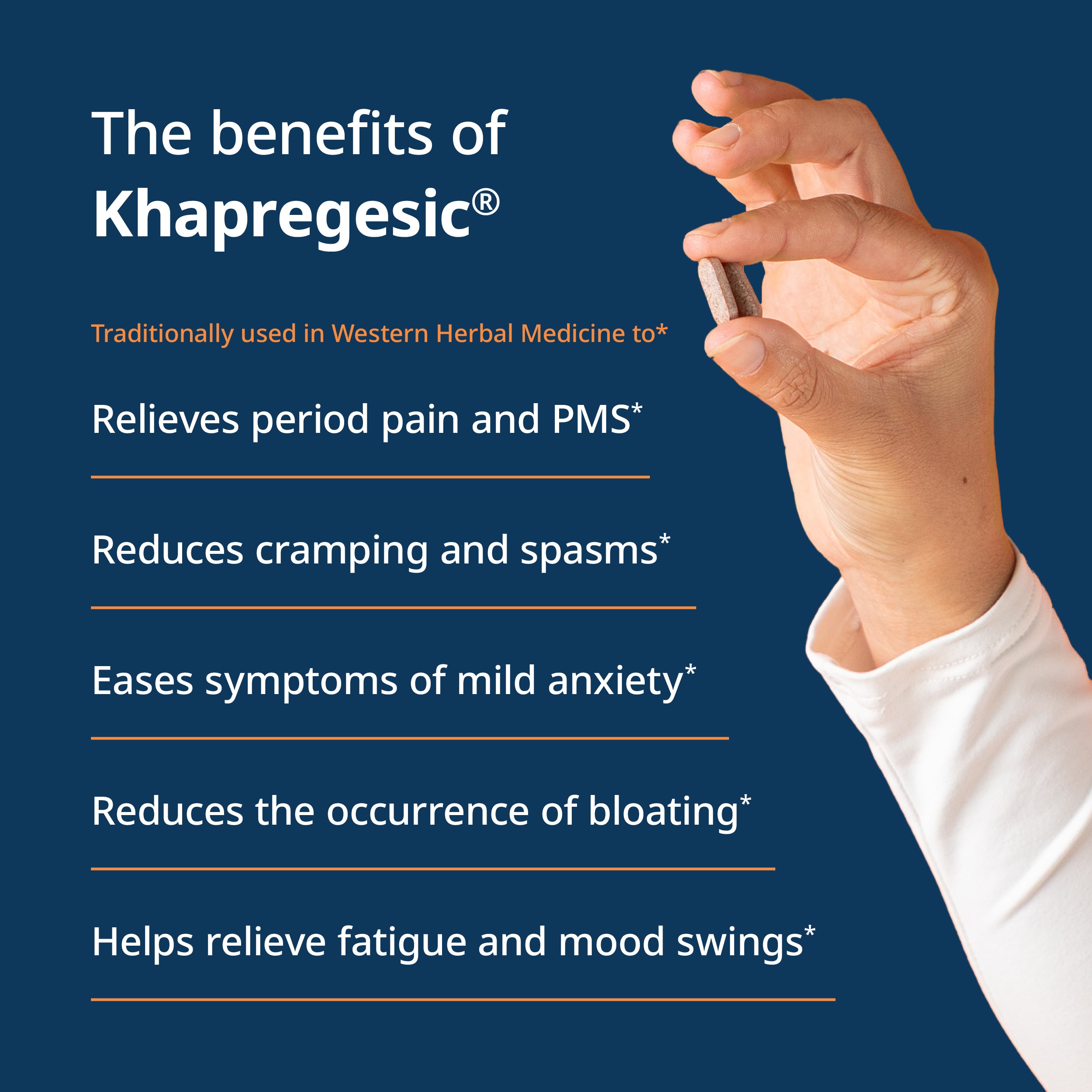
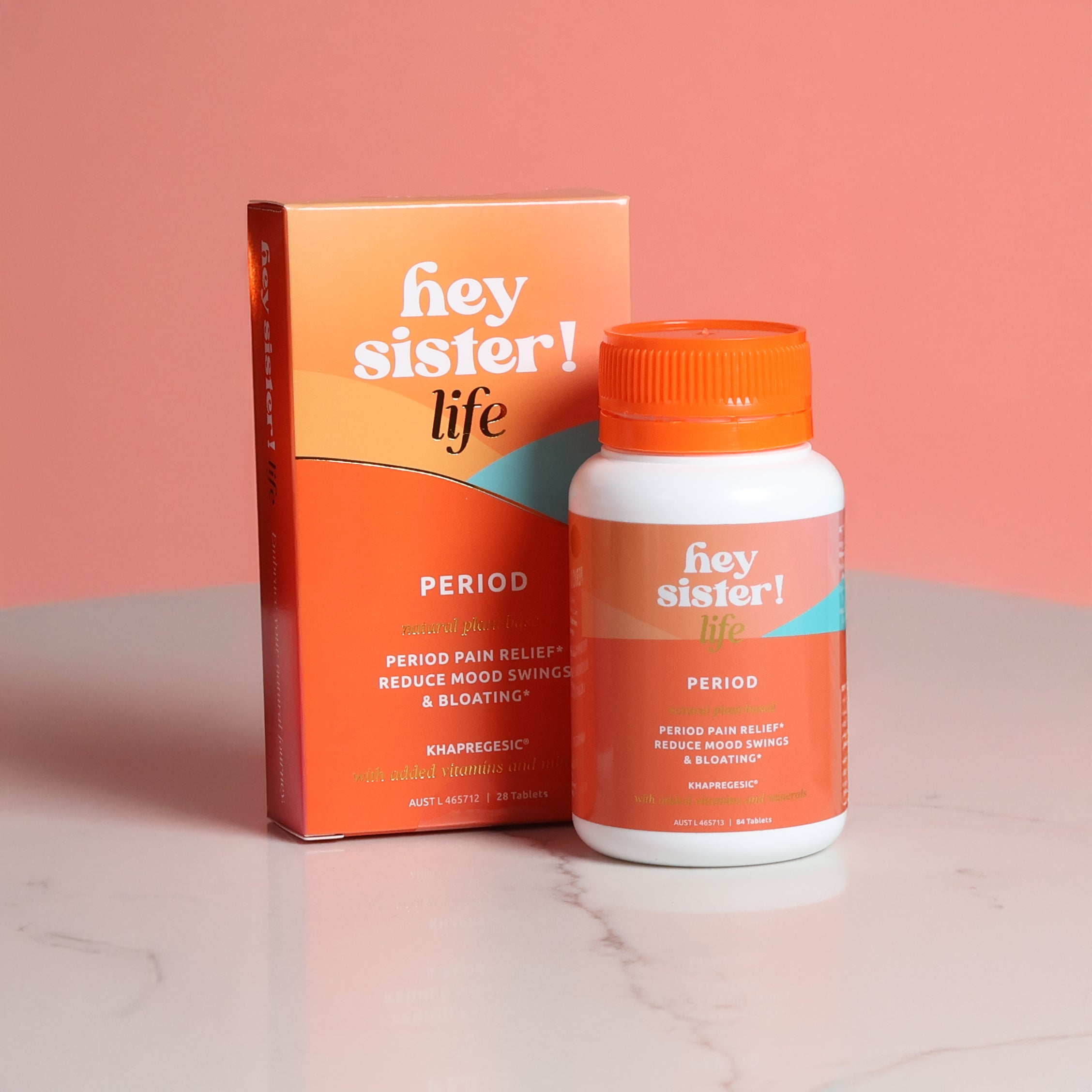
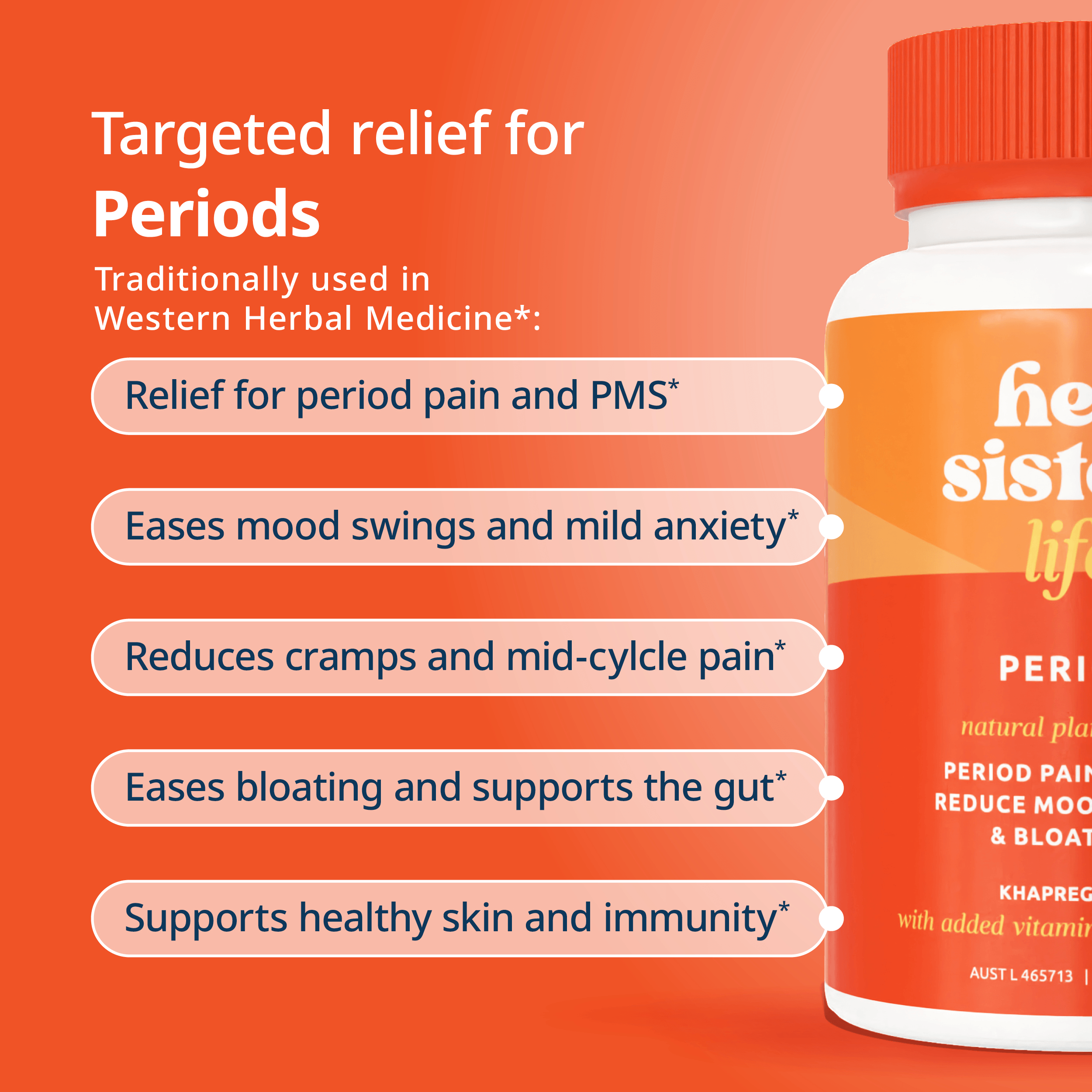
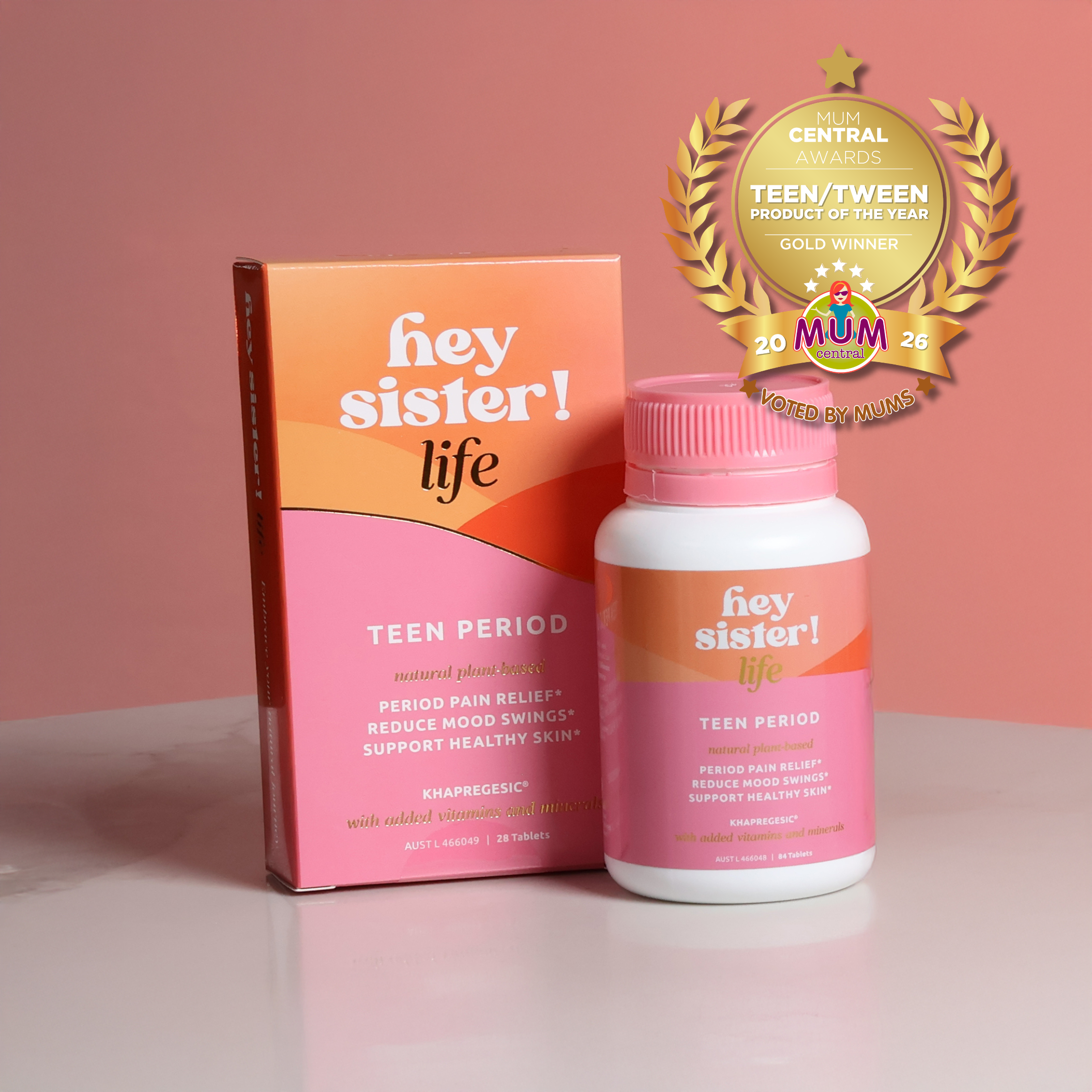
Then, if it suits you, this is also where Hey Sister! can slot in as a supportive tool in your pre-period routine, following product directions.
Not as a hero. As a helper.
Step 3: Lighten the load, not your expectations
One of the best cycle hacks is reducing decision fatigue:
-
plan easier dinners
-
wear clothes that don’t make you feel annoyed
-
batch your admin earlier
-
build in breathing room
You don’t need to “push through”. You need fewer things pushing on you.
Natural support ideas that don’t feel like a wellness punishment
Let’s keep it real. If “self-care” feels like another job, it’s not helping.
Here are evidence-informed options that fit actual life:
Heat (the underrated classic)
Heat packs and warm baths are commonly recommended for period discomfort and can feel soothing and relaxing.¹²
Movement (gentle, not punishing)
A short walk or light movement can help some women feel less crampy and more grounded.¹²
Stress downshift (because your nervous system matters)
Ten minutes of quiet, slow breathing, a hot shower, or doing less is not “lazy”. It is your body getting a chance to settle.
Where Hey Sister! fits
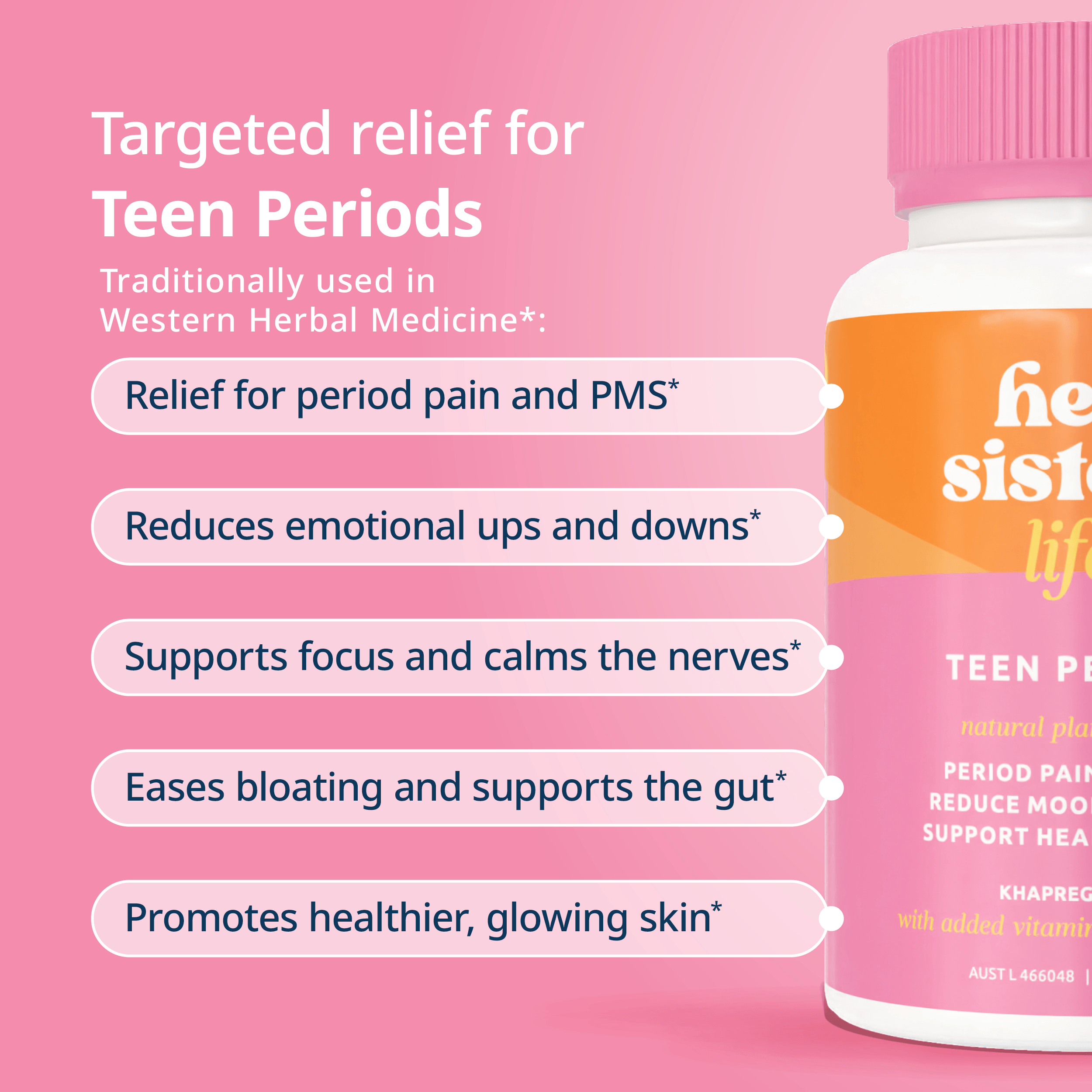
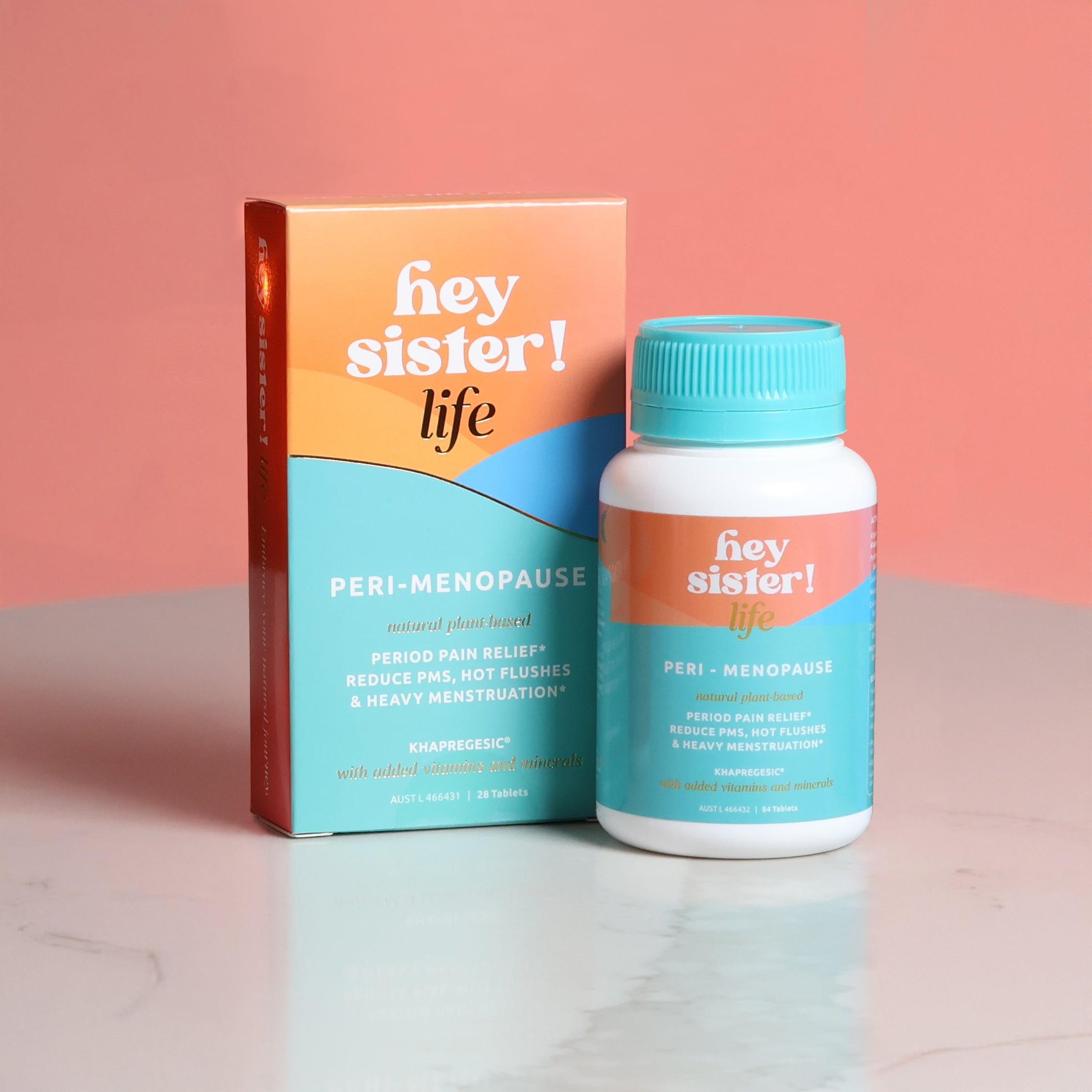
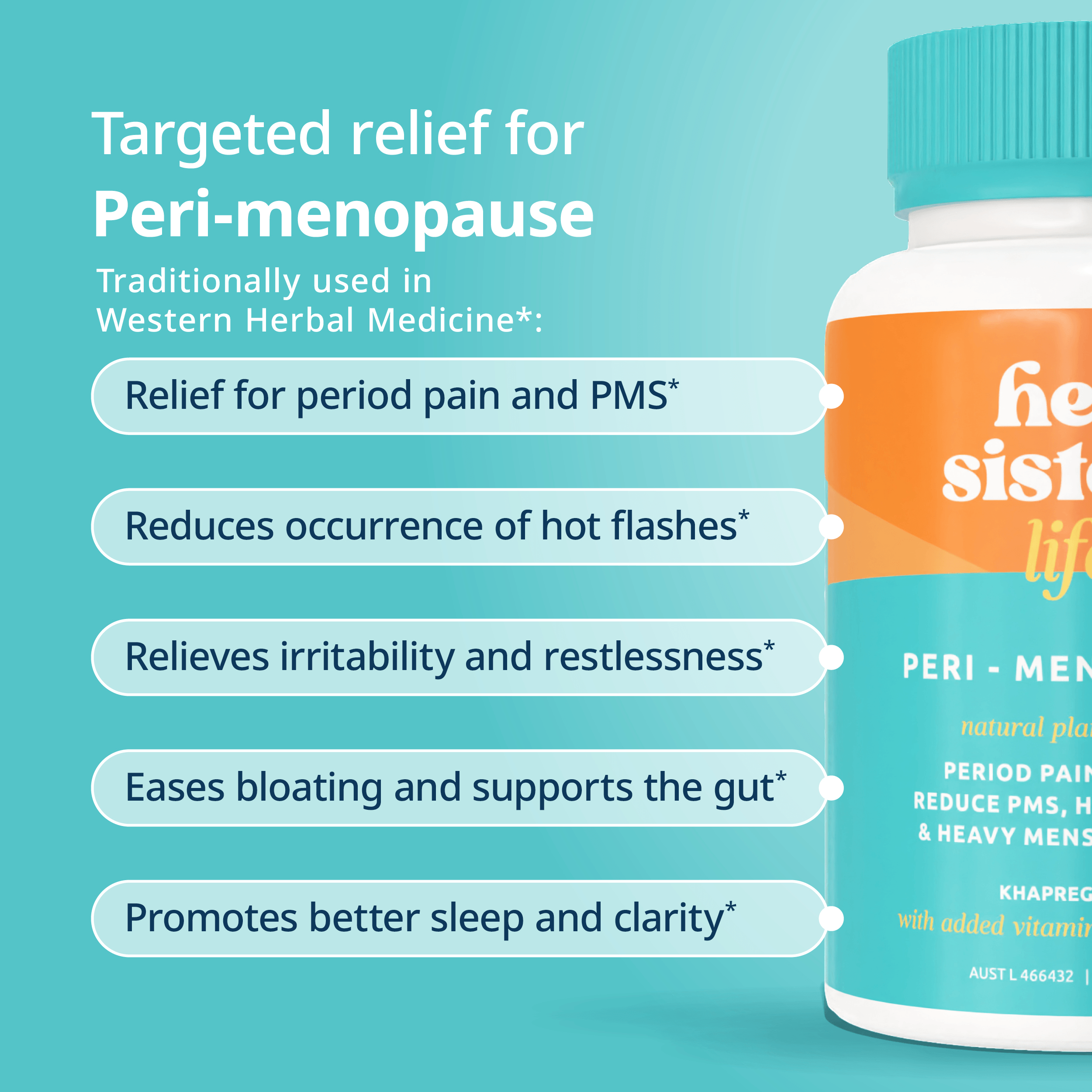
Hey Sister! is designed to support women through those pre-period and period days when you want to feel more steady, comfortable, and in control.
The key is this: it’s part of a routine, not a last-minute hail mary.
If you’re trying the 3-day head start, Hey Sister! can be one of the tools in your kit, alongside heat, movement, rest, and planning. That’s the vibe. Supportive, not dramatic.
When period pain is a red flag (and you deserve answers)
If your discomfort is severe, worsening, or changing suddenly, it’s worth checking in with a health professional. Period pain can sometimes be linked to underlying conditions like endometriosis or adenomyosis.¹⁶
Please don’t normalise pain that:
-
keeps you off work or out of life
-
gets worse over time
-
comes with heavy bleeding
-
shows up with pain during sex
-
brings bowel or bladder symptoms
You are not overreacting by wanting a proper assessment. You are being responsible.
The internet proof your audience is already living this
Women don’t write online like textbooks. They write like this:
-
“I’m trying to get ahead of it this month.”
-
“If I start my routine before it hits, it’s easier.”
-
“I just want something that supports me without messing me around.”
And that’s the entire point of the 3-day head start. It’s not a gimmick. It’s a practical way to feel more prepared, month after month.
Let’s make this a conversation
If you’ve been told to “just deal with it”, consider this your permission slip to do things differently.
Try the 3-day head start. Track how you feel. Keep what works. Ditch what doesn’t.
What’s your go-to cycle support habit? Heat, early nights, movement, comfort food, a calendar reminder, or something else? Tell us in the comments.
FAQs
1) Why do period cramps happen?
Period cramps are often linked to prostaglandins, natural chemicals involved in the process of the uterus shedding its lining and tightening.³
2) What is primary dysmenorrhoea?
Primary dysmenorrhoea is common period pain not caused by another condition. It can still be intense and disruptive.¹²
3) When should I start my pre-period routine?
Many women find it helpful to begin a comfort routine a few days before bleeding is due, since the lead-up can come with noticeable changes.¹²
4) What are common ways to support period discomfort at home?
Heat packs, warm baths, and gentle movement are commonly recommended.¹²
5) When should I see a doctor about period pain?
If pain is severe, worsening, suddenly different, or disrupting daily life, it is worth getting checked.¹⁶
6) What conditions can cause severe period pain?
Endometriosis and adenomyosis are examples of conditions linked to period pain.¹⁶
7) Can perimenopause affect periods and PMS?
Perimenopause can change cycle patterns and symptoms. If things shift noticeably, it’s worth discussing with a health professional.²
References
-
Healthdirect Australia. Period pain and management overview. https://www.healthdirect.gov.au/managing-period-pain
-
Jean Hailes for Women’s Health. Period pain (dysmenorrhoea) and cycle health resources. https://www.jeanhailes.org.au/health-a-z/periods/period-pain
-
Better Health Channel (Victoria). Menstruation pain (dysmenorrhoea) and prostaglandins overview. https://www.betterhealth.vic.gov.au/health/conditionsandtreatments/menstruation-pain-dysmenorrhoea
-
Daily JW et al. Ginger for alleviating symptoms of primary dysmenorrhea (systematic review). https://pubmed.ncbi.nlm.nih.gov/26177393/
- StatPearls (NCBI). Dysmenorrhea - evaluation and secondary causes. https://www.ncbi.nlm.nih.gov/books/NBK560834/
-
Reddit. Women’s health discussions on period routines and “starting early” language. https://www.reddit.com/
-
Quora. Period pain support questions and common phrasing. https://www.quora.com/