Why the chaos now could mean cramps, mood swings or gut drama in early 2026
Did you know… what you do in December can shape your first few periods of 2026?
Your cycle isn’t a month-to-month situation. She’s influenced up to three cycles earlier.
That means the way you treat your body now, with food, sleep, stress and routine, can show up as cramps, PMS or mood swings in January, February or even March.
Here’s how it works, what science says, and what you can do right now to support calmer, more predictable cycles in early 2026.
Your cycle responds months in advance
Hormones don’t hit reset on New Year’s Day. They respond to what’s happening now, and they take their time.
From stress and sleep to sugar and stimulation, your lifestyle in December can send signals that influence the hormonal flow-on effect into the next two or three cycles.
Why “2–3 cycles later” makes sense
The egg that will ovulate in January is already developing now. In fact, it started months ago.
Folliculogenesis, the process of egg development, unfolds over 90 to 120 days in humans. This means the follicle that will release an egg in January began developing in October, with environmental signals like stress, inflammation and nutrition shaping its journey1.
The final 15–20 days before ovulation are just the last stretch of that process, meaning the real work happens well before the cycle you’re tracking on your period app1.
And the systems that regulate your cycle, the hypothalamic-pituitary-ovarian (HPO) axis, adapt slowly. They need consistent support to settle back into rhythm2.
That’s why we talk about a 90-day reset. Because it literally takes about 3 cycles for things to settle and improve.
December chaos: Why it hits your cycle hard
December is joyful… but it’s also unpredictable. Social events. Travel. Late nights. More alcohol and less routine. Your body loves rhythm, and December throws a lot of that out the window.

Your gut, cortisol and hormones keep the receipts, even when your calendar flips to a new year.
How Stress & Hormones Interact
Chronic stress is one of the biggest disruptors of cycle health, and it doesn’t disappear after a single relaxing weekend.
High cortisol suppresses reproductive hormones by interfering with GnRH (gonadotropin-releasing hormone), which in turn affects ovulation4.
The HPO axis (that’s your brain–ovary communication system) slows down under chronic stress, making periods irregular, more painful, or sometimes absent altogether.
Recovery? It’s slow and steady. Research shows it can take 3–6 months of improved stress, food and lifestyle patterns to restore cycle rhythm and ovulatory function2,4.
This is exactly why your January cycle often reflects the chaos of December: it’s your body responding, not malfunctioning.
Sleep, sugar, alcohol and your cycle
Sleep and nutrition don’t just affect your energy, they’re deeply connected to hormonal and reproductive health:
- Poor sleep messes with melatonin and cortisol, which affect the timing and strength of ovulation5.
- Alcohol and sugar influence insulin, leptin and CRH, metabolic and stress-related signals that change how your body regulates hormones3.
- Digestive health and inflammation also play a role. Gut disturbances in December (hello, bloating and indigestion) can throw off hormonal rhythms and worsen period symptoms later6.
This is why we see more bloating, cramps and mood swings in early-year periods. Your hormones are responding to December’s inputs.
Why early 2026 can feel... extra
If your January period is a drama queen, she’s probably got a reason. Common complaints?
- More bloating: Disrupted gut and blood sugar swings
- More cramps: Stress and inflammation are major contributors3
- More unpredictability: Circadian and hormonal rhythms haven’t reset
- More mood swings: Sleep and cortisol are close conspirators
Your cycle shows you when she wasn’t supported. But here’s the thing: there’s no shame in that. This is your body doing her best, and she responds well to gentle, consistent care.
No judgement here. You do you.
Look, we’re not here to tell you to skip your end-of-year celebrations or track every meal. We know December gets messy.
But if you want to step into January, February and March with steadier cycles, the best time to support your hormones is right now.
Gentle December support (that adds up later)
Start now with simple, consistent support that helps your cycle down the line:
✅ Focus on gut-loving foods (yes, even with festive treats)
✅ Balance blood sugar with meals that combine protein, fibre and healthy fats
✅ Hydrate properly, alcohol and coffee dehydrate fast
✅ Rest when you can (your ovaries love a Sunday nap)
✅ Reduce stress, micro-rests, walking, music, whatever works
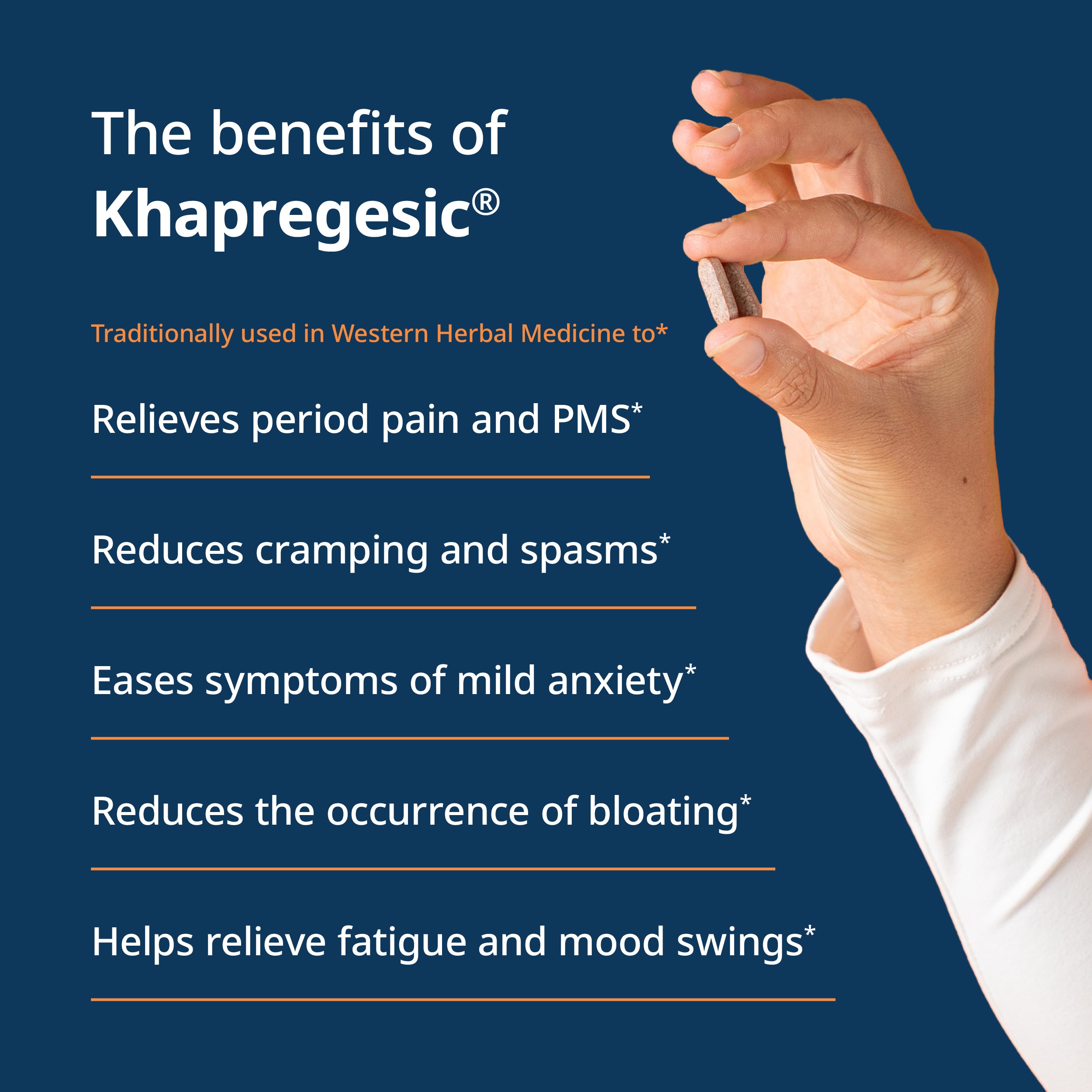
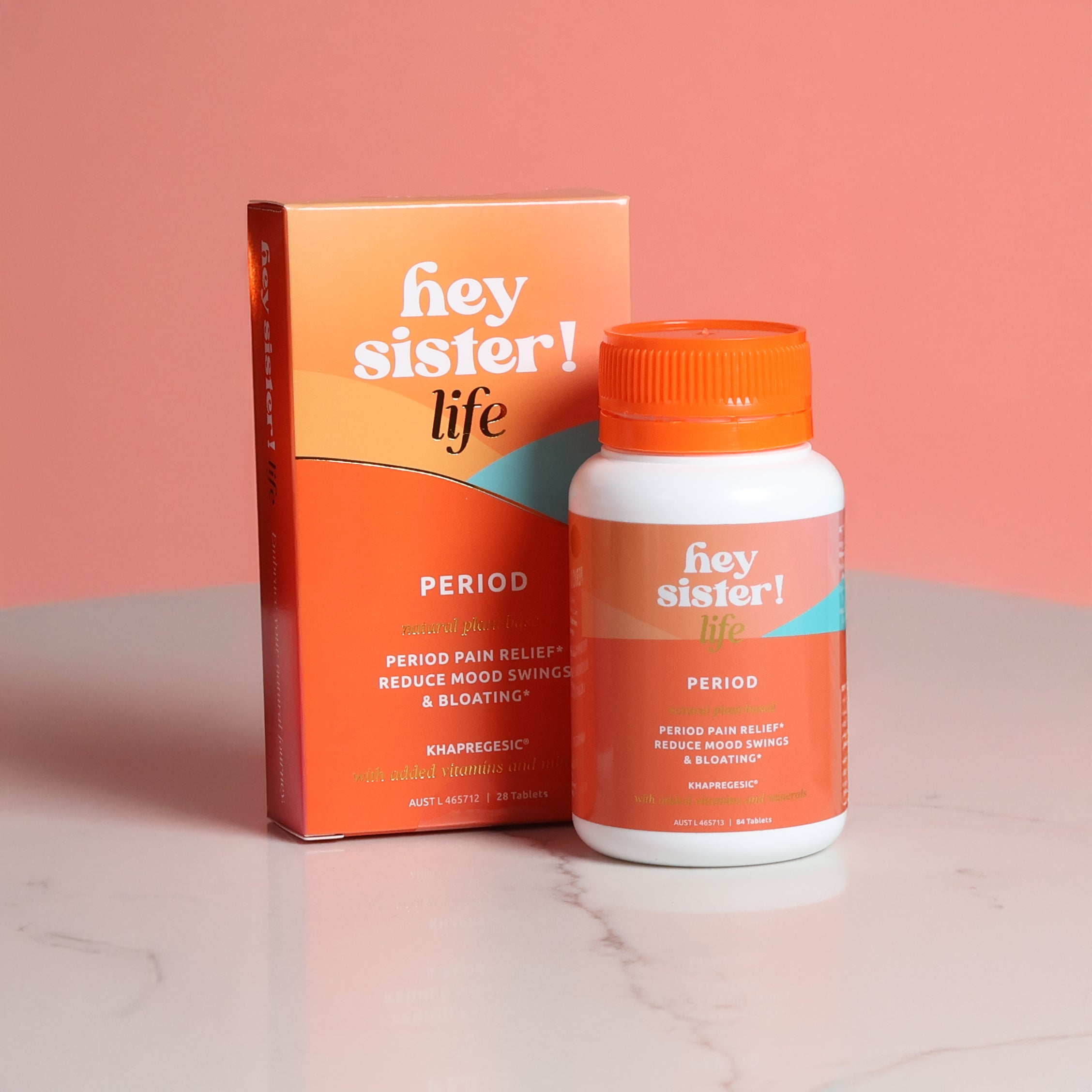
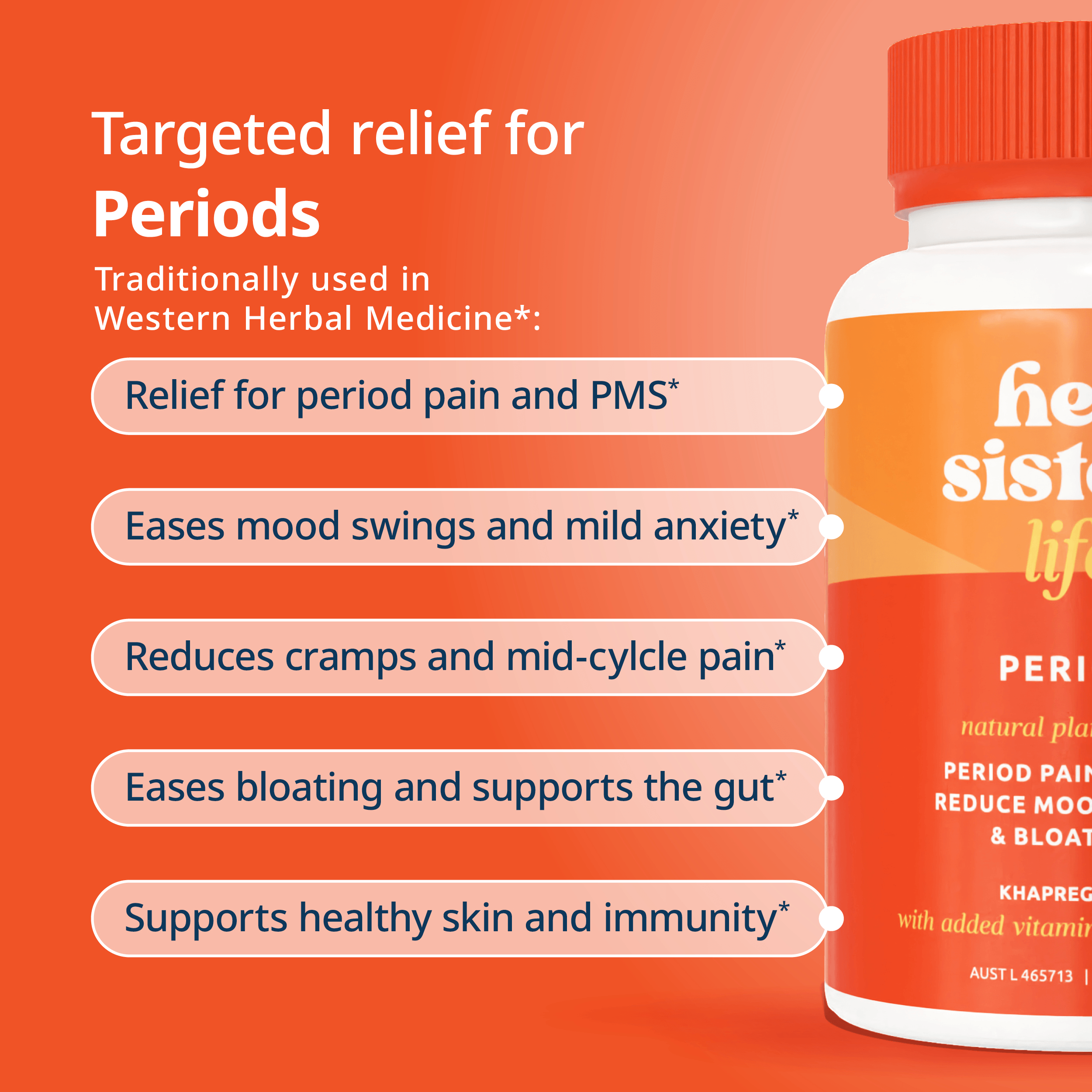
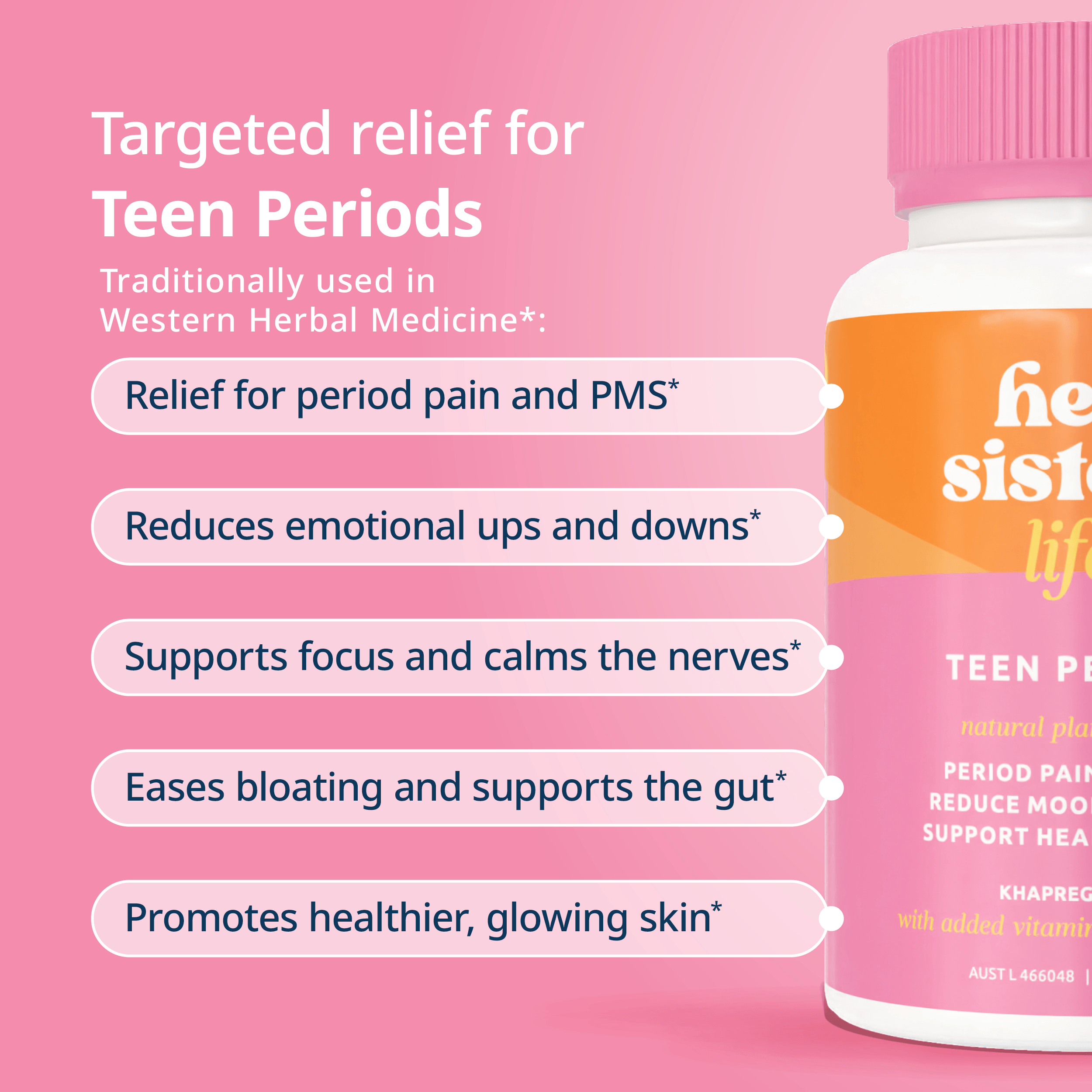
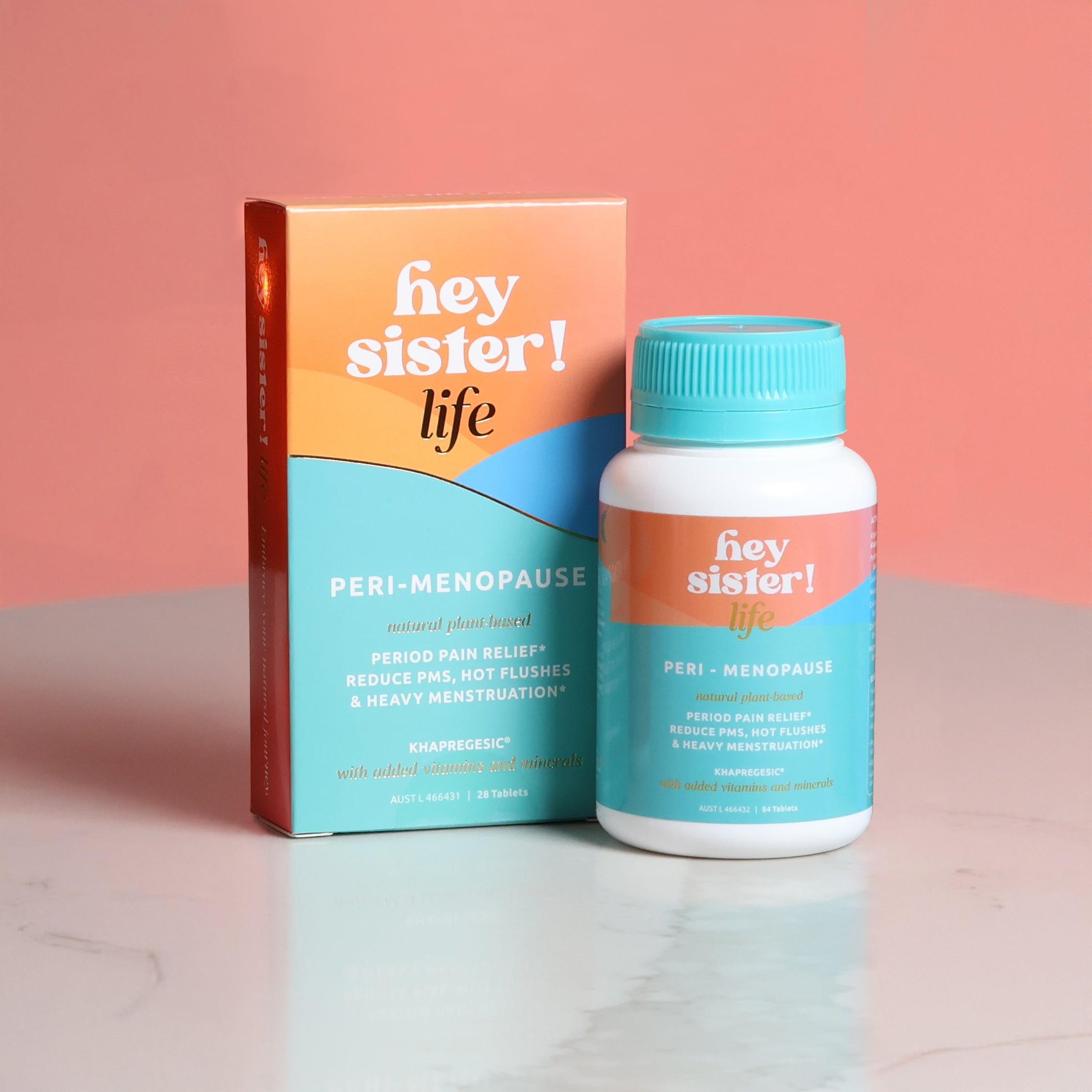
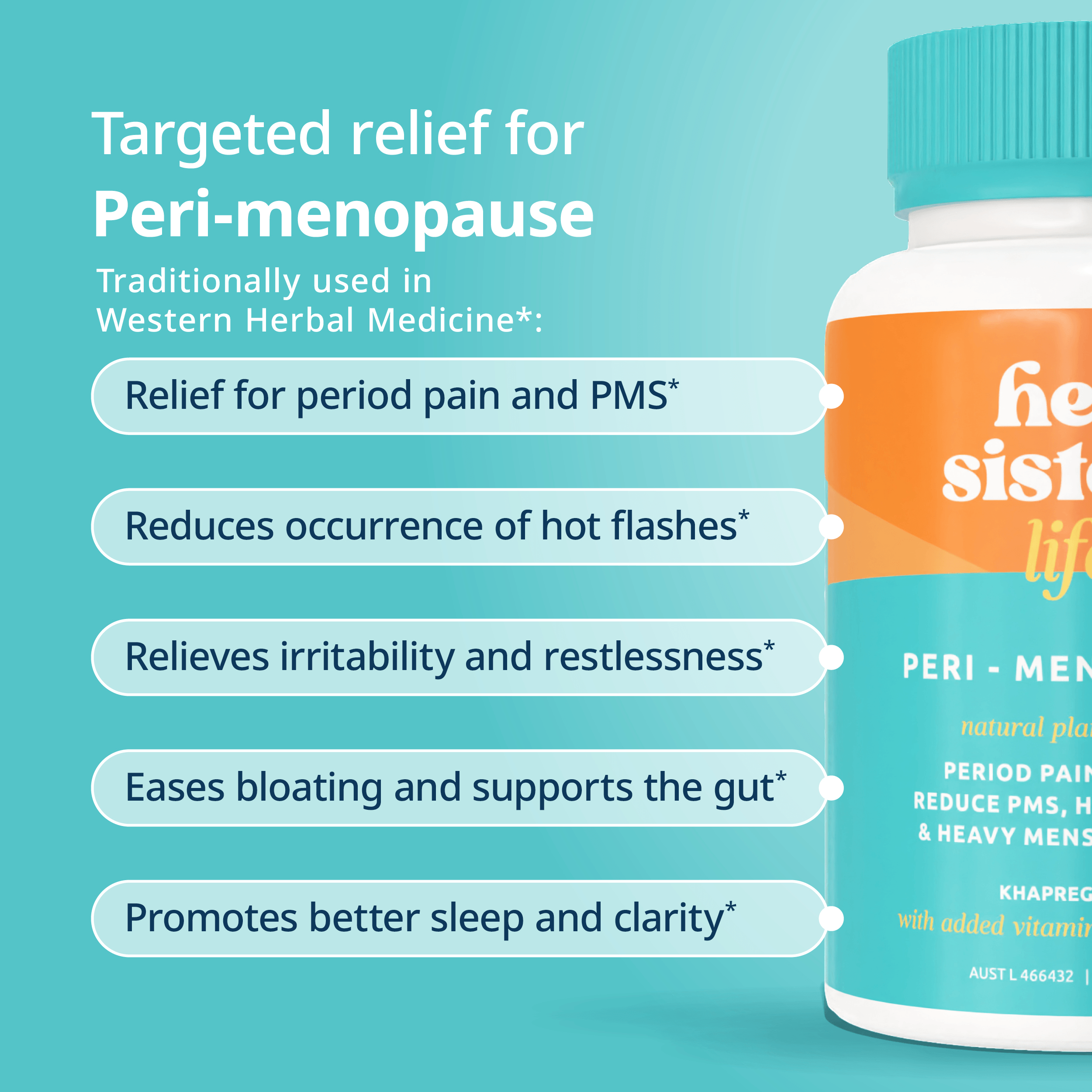
✅ Consider hormone-supportive herbs like Khapregesic®, which are backed by both tradition and emerging science
Your period isn’t just shaped by what happens this month; it’s responding to signals your body picked up weeks or even months ago. That means the food you eat, the sleep you get (or don’t), the stress you carry, and the rhythms you lose during December can all echo forward into January, February and March.
But here's the good news: it works both ways. Small, intentional choices now, even amidst the festive chaos, can support your hormones, calm your gut, and set your body up for more balanced cycles in 90 days.
You don’t have to be perfect. You just have to begin.
And we’re right here with you, every step of the way. 🧡
FAQs
Q: Can what I do in December affect my period in January or February?
Yes, follicle development and hormone regulation both respond to environmental signals weeks to months before ovulation1.
Q: How long before my period should I start supporting my hormones?
About 90 days. That’s how long it takes for a follicle to develop and for your hormone systems to recalibrate1,2.
Q: Why do I feel more bloated or emotional in January?
Stress, sleep loss and festive eating can disrupt your gut and hormone systems, and the effects often show up in the next cycle or two3,4,6.
Q: Is it normal for my period to feel worse after the holidays?
Yes — lifestyle disruption can cause changes in pain levels, PMS symptoms and timing, especially if stress and sleep were out of balance5.
Q: How can I improve my cycle in 90 days?
Consistent support for stress, sleep, gut and hormones, plus natural products like Khapregesic® can help your system recalibrate and respond more gently.
References
- Jinno M, et al. “Human ovarian follicle development: A slow and steady process.” PMC11884117
- Gordon CM, et al. “Hypothalamic amenorrhea and recovery trajectories.” PMC7418467
- Berga SL. “Chronic stress and the HPO axis.” PMC9168655
- Samphire Neuro. “How does stress affect your period?” samphireneuro.com
- G Beroukhim, “Impact of sleep on female hormones.” PMC10771141
- Clue. “How stress affects your period.” helloclue.com